Table of Contents
Best Sugar Substitute for Diabetics Managing blood sugar doesn’t mean giving up sweetness forever. If you’ve been diagnosed with diabetes or are watching your glucose levels, you’ve probably wondered which sugar alternatives are actually safe and effective.
The truth is, not all sugar substitutes are created equal. Some can still affect your blood sugar, while others may cause digestive issues or leave an unpleasant aftertaste. Finding the right one can make the difference between enjoying your favorite recipes and feeling deprived.
Let’s explore the best sugar substitutes that may help you maintain stable blood sugar while still enjoying delicious food.
Why Choosing the Right Sugar Substitute Matters
When you have diabetes, every food choice affects your blood sugar levels. Regular sugar causes rapid glucose spikes that can be hard to manage, especially if you’re trying to keep your A1C in a healthy range.
Sugar substitutes offer a way to enjoy sweetness without the same impact on blood glucose. However, the key word here is “same” because different sweeteners affect your body in different ways.
Some sugar alternatives have zero glycemic impact, meaning they won’t raise your blood sugar at all. Others have minimal effects but offer additional benefits like supporting gut health or providing antioxidants.
Understanding these differences helps you make informed choices that support your health goals while keeping meals enjoyable.
How Sugar Substitutes Can Support Blood Sugar Management
The best sugar substitutes for diabetics work by providing sweetness without the glucose load. Your body processes them differently than regular sugar, which can support more stable blood sugar levels throughout the day.
Many sugar alternatives pass through your digestive system without being fully absorbed or metabolized into glucose. This means you get the sweet taste without the blood sugar roller coaster.
Some substitutes are natural compounds found in fruits and plants, while others are sugar alcohols that your body handles differently than sucrose. The variety means you can find options that work for your taste preferences and how your body responds.
When used properly, these sweeteners may help you stick to a diabetes-friendly eating plan without feeling like you’re missing out.
Top 5 Sugar Substitutes for Diabetics
1. Stevia
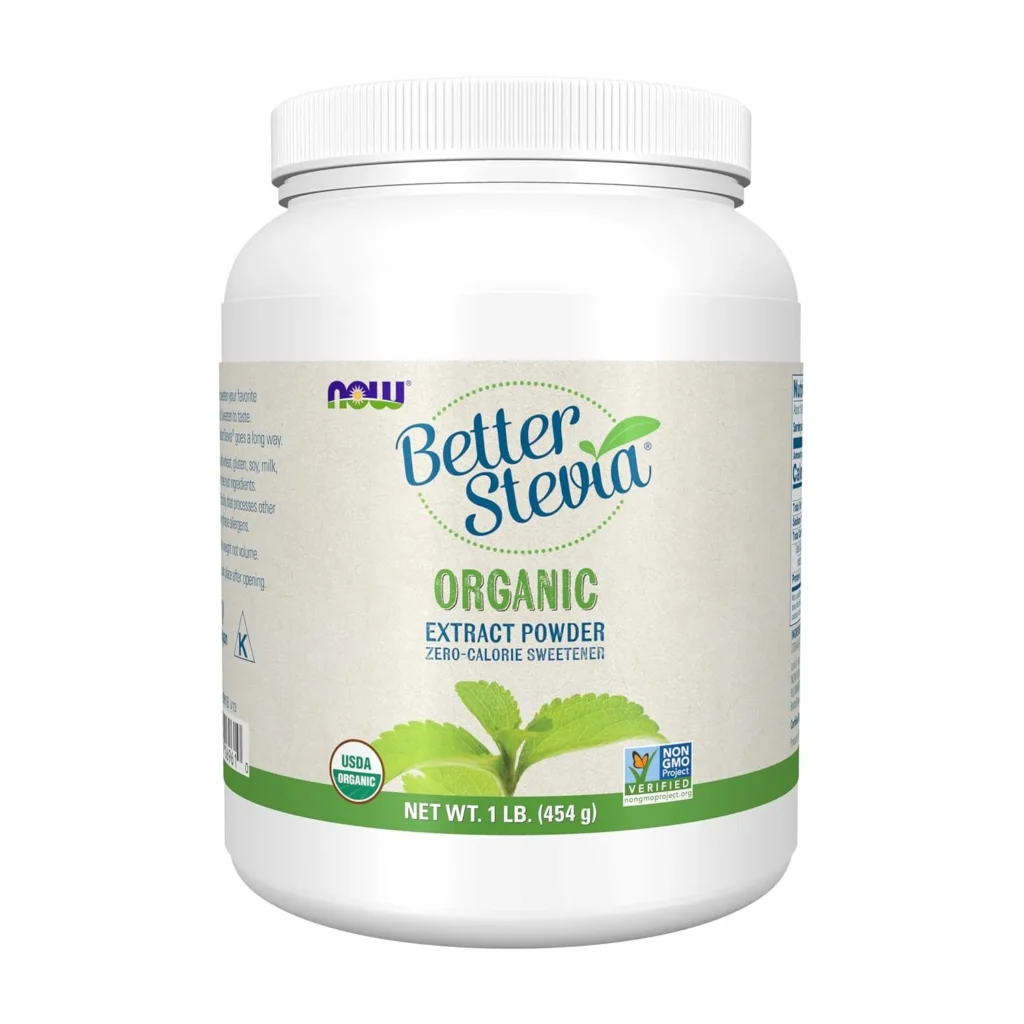
Stevia comes from the leaves of the Stevia rebaudiana plant and contains zero calories with no impact on blood sugar levels. It’s significantly sweeter than sugar, so you need much less.
This natural sweetener has been used for centuries in South America and may offer additional benefits beyond just sweetness. Some research suggests it might support healthy blood pressure levels.
The key with stevia is finding a quality product. This pure stevia extract provides consistent sweetness without fillers or additives that can affect the taste.
2. Monk Fruit Sweetener
Monk fruit extract comes from a small melon grown in Southeast Asia. Like stevia, it has zero calories and doesn’t raise blood sugar levels.
What sets monk fruit apart is its clean, sweet taste without the bitter aftertaste some people notice with other substitutes. The sweetness comes from natural compounds called mogrosides.
This monk fruit sweetener works beautifully in both hot and cold applications, making it versatile for coffee, tea, smoothies, and baking.
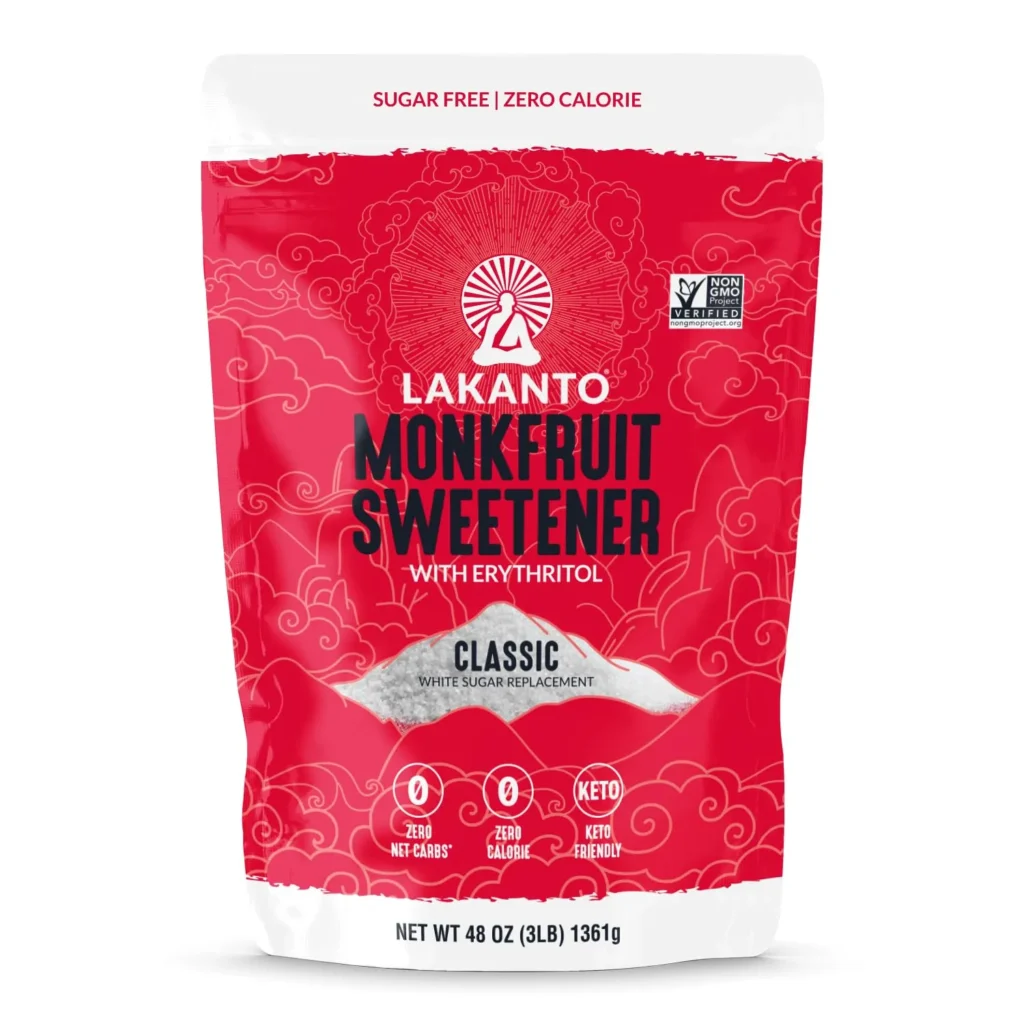
3. Erythritol
Erythritol is a sugar alcohol that occurs naturally in some fruits. It contains about 0.2 calories per gram compared to sugar’s 4 calories, and it has a minimal impact on blood glucose.
Your body absorbs most erythritol before it reaches your colon, which means fewer digestive issues compared to other sugar alcohols. It tastes very similar to regular sugar with about 70% of the sweetness.
This erythritol measures cup-for-cup like sugar in most recipes, making it easy to adapt your favorite dishes without complicated conversions.
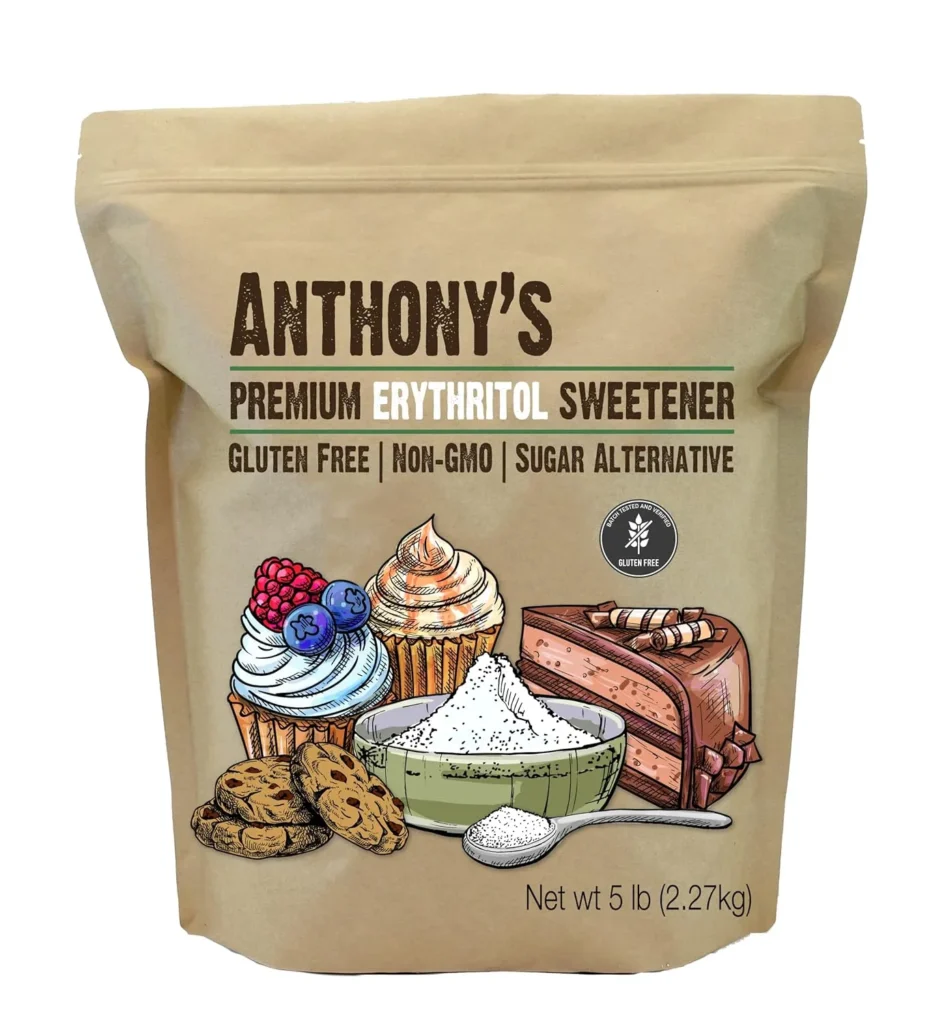
4. Allulose
Allulose is a rare sugar found in small quantities in certain fruits like figs and raisins. It tastes and behaves like regular sugar but contains only 0.4 calories per gram and doesn’t raise blood sugar.
What makes allulose special is how it performs in baking. It caramelizes and browns like regular sugar, creating better texture in baked goods compared to some other substitutes.
This allulose sweetener is particularly good for cookies, cakes, and any recipe where you want that golden-brown finish.
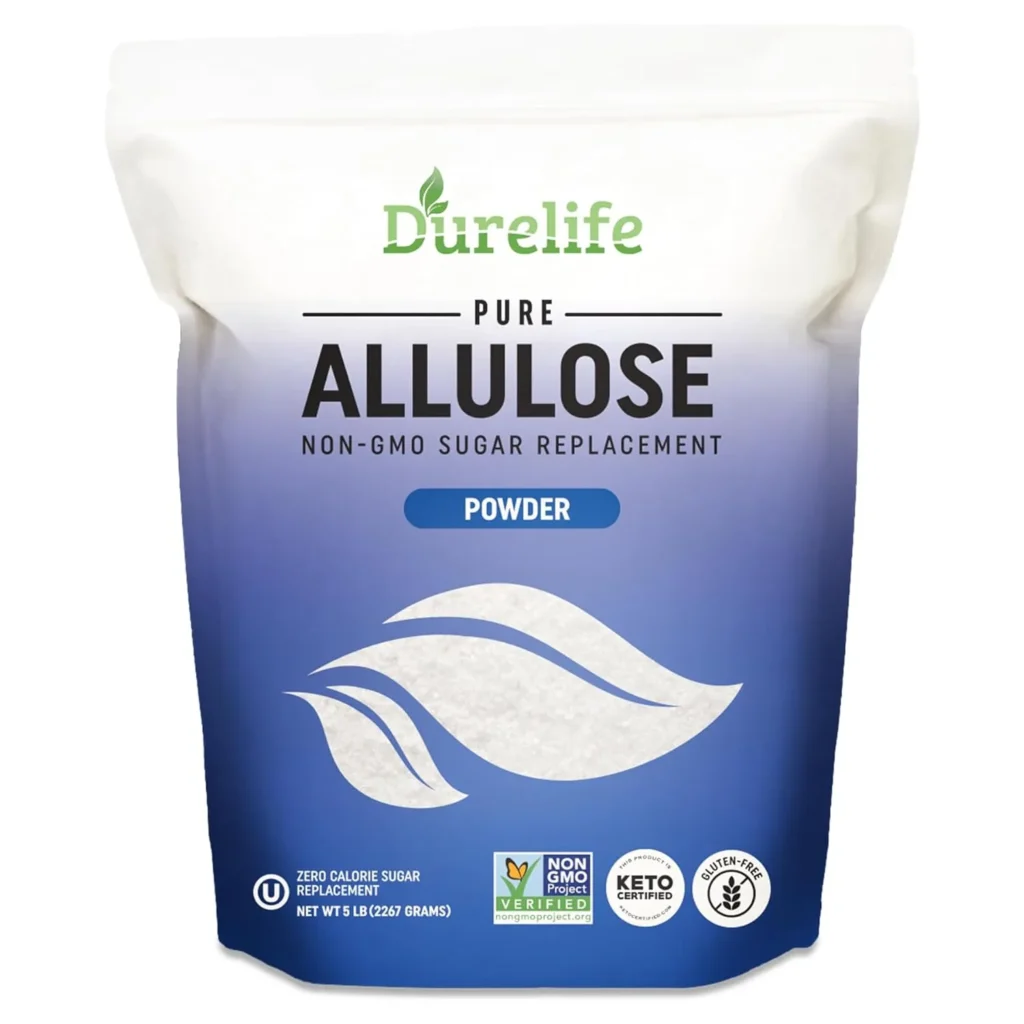
5. Xylitol
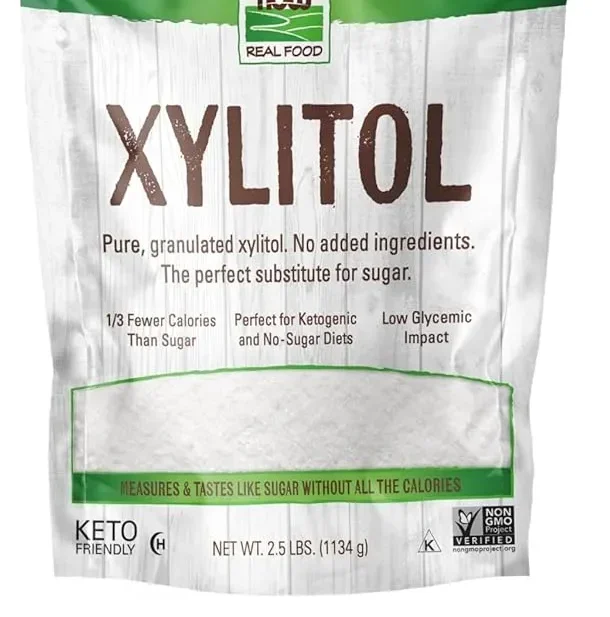
Xylitol is another sugar alcohol with a sweetness similar to regular sugar. It contains about 2.4 calories per gram and has a lower glycemic index than sugar, though it does have some impact on blood glucose.
This sweetener works well in recipes and may support dental health by reducing cavity-causing bacteria. However, use it carefully if you have pets, as xylitol is toxic to dogs.
This xylitol dissolves easily and works well in beverages, yogurt, and baking applications where you want a one-to-one sugar replacement.
How to Use Sugar Substitutes in Your Kitchen
Start by replacing sugar in your morning coffee or tea. This simple swap helps you get used to the different taste profiles without affecting complex recipes.
When baking, begin with recipes specifically designed for sugar substitutes. Different sweeteners behave differently when heated, so following tested recipes can prevent disappointing results.
For beverages and cold applications, most sugar substitutes work interchangeably. Experiment to find which flavor profile you prefer in smoothies, iced tea, or homemade lemonade.
Remember that some substitutes are much sweeter than sugar. Check the packaging for conversion ratios to avoid making things too sweet or not sweet enough.
Simple Recipe Examples
Diabetes-Friendly Iced Coffee Mix cold brew coffee with a splash of unsweetened almond milk and a few drops of liquid stevia. Add ice and a dash of cinnamon for extra flavor without extra carbs.
No-Sugar-Added Berry Parfait Layer Greek yogurt sweetened with monk fruit, fresh berries, and a sprinkle of chopped nuts. This breakfast or snack provides protein and fiber to help stabilize blood sugar.
Allulose Chocolate Chip Cookies Use allulose in place of sugar in your favorite cookie recipe. The cookies will brown nicely and have a texture very close to traditional cookies, but with minimal blood sugar impact.
Erythritol Lemonade Combine fresh lemon juice, water, and erythritol to taste. Let it chill for an hour so the sweetener fully dissolves for the best flavor.

Common Mistakes to Avoid
Don’t assume all sugar-free products are diabetes-friendly. Many store-bought items contain sugar alcohols that can still affect blood glucose or cause digestive discomfort in large amounts.
Avoid using too much sweetener just because it’s “sugar-free.” Your taste buds can adjust to less sweetness over time, which may help reduce overall cravings.
Don’t switch all your recipes at once. Gradually introduce sugar substitutes so you can identify which ones work best for your body and taste preferences.
Be careful with serving sizes. Even though these substitutes don’t spike blood sugar like regular sugar, overconsumption of sugar alcohols can cause bloating or digestive issues.
Never use xylitol around dogs or in homes where dogs might access food. This sweetener is extremely dangerous for pets even in small amounts.
Frequently Asked Questions
Which sugar substitute tastes most like regular sugar? Allulose and erythritol taste closest to regular sugar with minimal aftertaste. Monk fruit also has a clean, sweet taste that many people enjoy. Stevia can have a slightly different flavor profile that some describe as licorice-like, but quality matters significantly.
Can sugar substitutes cause blood sugar spikes? Most sugar substitutes recommended for diabetics have minimal to zero impact on blood glucose. Stevia, monk fruit, erythritol, and allulose don’t typically raise blood sugar. However, individual responses can vary, so monitoring your levels when trying new sweeteners is wise.
Are sugar substitutes safe for daily use? The FDA has approved stevia, monk fruit, erythritol, allulose, and xylitol as safe for consumption. Most people can use them daily without issues. However, some sugar alcohols may cause digestive discomfort in large amounts, so moderation is key.
Do sugar substitutes work in baking? Yes, but results vary by sweetener. Allulose performs most like regular sugar in baking, including browning and texture. Erythritol works well in many recipes but may crystallize. Stevia and monk fruit are very concentrated, so you’ll need to adjust recipes or use blends designed for baking.
How much sugar substitute can I use per day? There’s no specific upper limit for most sugar substitutes, but the FDA suggests acceptable daily intake levels. For sugar alcohols like erythritol and xylitol, consuming more than 50 grams per day may cause digestive issues. Listen to your body and adjust accordingly.
Will using sugar substitutes help me lose weight? Sugar substitutes can support weight management by reducing calorie intake from added sugars. However, they’re just one tool. Overall diet quality, portion sizes, and physical activity all play important roles in weight management for people with diabetes.
Making the Sweet Switch
Finding the best sugar substitute for your needs may require some experimentation. What works perfectly for your friend might not suit your taste preferences or how your body responds.
Start with small amounts and pay attention to how different sweeteners affect your blood sugar levels and digestion. Many people find success using different substitutes for different purposes—stevia in beverages, erythritol in baking, and monk fruit in yogurt, for example.
The goal isn’t perfection but progress. Each small swap you make can support better blood sugar management while helping you enjoy the foods you love.
Consider keeping a couple of different sweeteners in your kitchen. This variety lets you choose the best option for each recipe and prevents flavor fatigue from using the same substitute all the time.
Remember that managing diabetes is a journey, not a destination. These sugar substitutes are tools that may help make that journey more enjoyable and sustainable for the long term.
Health Disclaimer: This article is for informational purposes only and does not replace medical advice. Always consult a healthcare professional before making significant dietary changes, especially if you have diabetes or other health conditions. Individual responses to sugar substitutes may vary.
Did you try our recipe ?
There are no reviews yet. Be the first one to write one.