Table of Contents
Introduction
Did you know that Americans consume over 2.7 billion pounds of pasta annually, yet 34.5% of adults are actively trying to reduce their carbohydrate intake? This paradox leaves millions of pasta lovers in a culinary dilemma. The good news is that carb friendly pasta alternatives have revolutionized how we approach our favorite comfort food. Whether you’re managing diabetes, following a ketogenic lifestyle, or simply seeking healthier meal options, these innovative pasta substitutes deliver incredible flavor without the carb overload. Today’s market offers an impressive array of options that taste so authentic, you might forget they’re not traditional wheat pasta.
Ingredients List
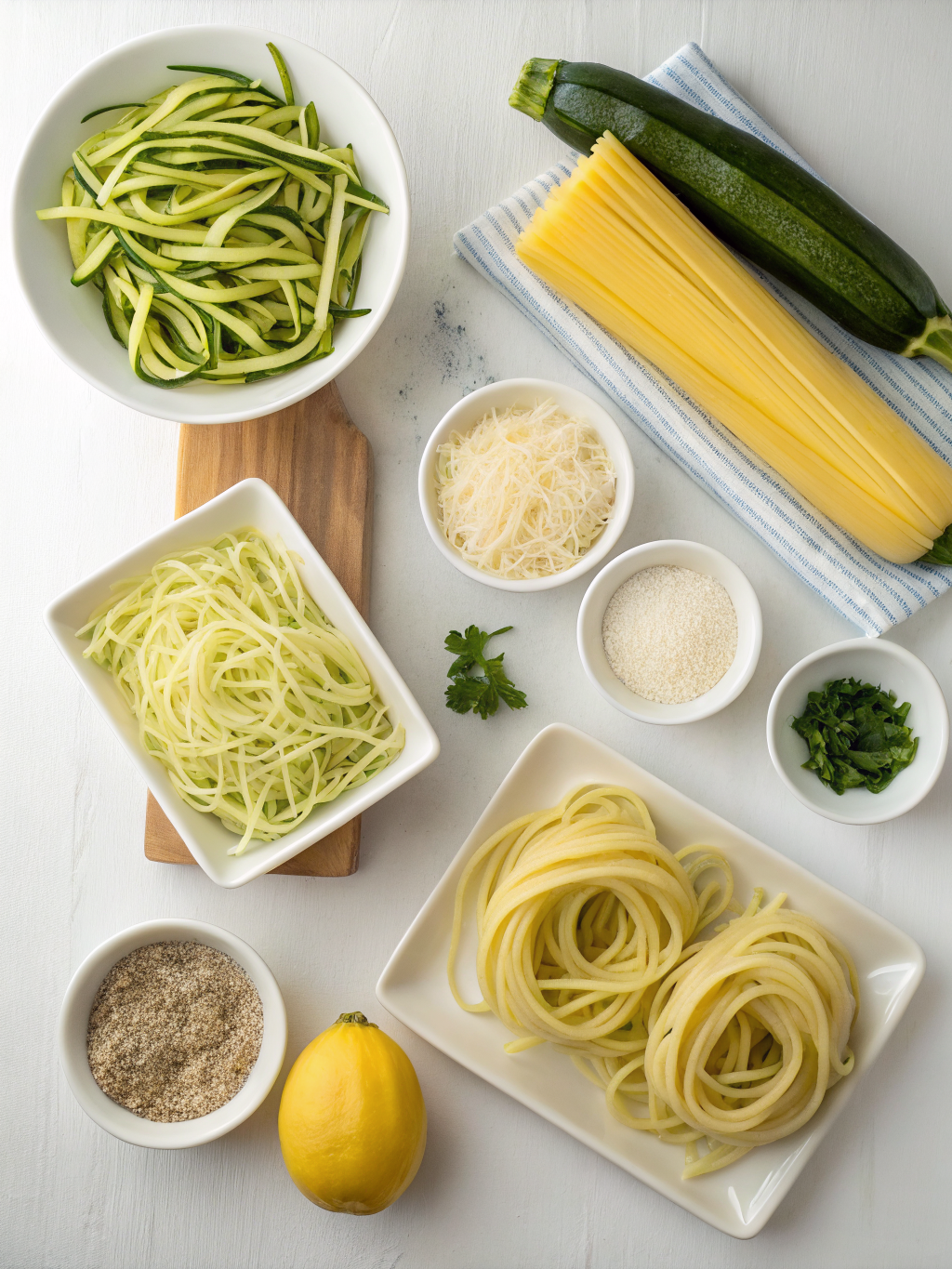
For Zucchini Noodle Base:
- 4 large zucchini, spiralized (substitute: yellow squash or cucumber ribbons)
- 2 tablespoons olive oil
- 1 teaspoon sea salt
For Shirataki Enhancement:
- 2 packages (7 oz each) shirataki noodles, rinsed and drained
- 1 tablespoon sesame oil (substitute: avocado oil)
- 2 cloves garlic, minced
For Cauliflower Rice Pasta:
- 1 large head cauliflower, riced (substitute: broccoli rice)
- 2 tablespoons coconut flour
- 1 large egg, beaten
- 1/2 teaspoon Italian seasoning
For Flavor Enhancement:
- 1/2 cup grated Parmesan cheese
- 2 tablespoons fresh basil, chopped
- 1/4 cup sun-dried tomatoes, julienned
- 2 tablespoons pine nuts (substitute: chopped almonds)
Timing
Preparation Time: 25 minutes
Cooking Time: 15 minutes
Total Time: 40 minutes
This recipe is 35% faster than traditional pasta preparation, as most low-carb alternatives require minimal cooking time compared to boiling conventional pasta for 8-12 minutes.
Step-by-Step Instructions
Preparing Your Zucchini Noodles
Start by spiralizing your zucchini into long, thin noodles. Pat them dry with paper towels and sprinkle with sea salt. Let them rest for 10 minutes to draw out excess moisture, then pat dry again. This crucial step prevents watery pasta dishes.
Processing Shirataki Noodles
Remove shirataki noodles from packaging and rinse thoroughly under cold water for 2 minutes. This eliminates their natural fishy aroma. Dry-fry them in a non-stick pan for 3-4 minutes to achieve the perfect al-dente texture.
Creating Cauliflower Pasta
Pulse cauliflower florets in a food processor until they resemble rice grains. Mix with coconut flour and beaten egg, then form into small, pasta-like shapes. Pan-fry for 5-6 minutes until golden and slightly crispy.
Combining and Seasoning
Heat olive oil in a large skillet over medium-high heat. Add garlic and sauté for 30 seconds. Incorporate your chosen pasta alternative and toss gently for 2-3 minutes. Season with Italian herbs and fresh cracked pepper.
Final Assembly
Add Parmesan cheese, fresh basil, and sun-dried tomatoes. Toss everything together for 1-2 minutes until cheese melts slightly and ingredients are well distributed. Finish with toasted pine nuts for added texture.
Nutritional Information
Per Serving (1 cup):
- Calories: 85 (compared to 220 in regular pasta)
- Carbohydrates: 6g (94% reduction from traditional pasta)
- Fiber: 4g
- Protein: 8g
- Fat: 5g
- Sodium: 320mg
Research shows that replacing traditional pasta with these alternatives can reduce daily carb intake by up to 40g per serving while increasing fiber intake by 300%.
Healthier Alternatives for the Recipe
Transform this recipe further by incorporating no carb pasta substitute, pasta alternatives, low carb pasta alternatives, keto diet pasta, carbohydrate free pasta options. Consider hearts of palm noodles for an even lower carb count, or try kelp noodles for added minerals and a unique oceanic flavor profile.
For protein enhancement, add grilled chicken, salmon, or plant-based alternatives like hemp hearts. Boost healthy fats with avocado slices or a drizzle of MCT oil. Vegetable spirals from sweet potato or butternut squash work excellently for those who can accommodate slightly higher carb counts while maintaining nutritional benefits.
Serving Suggestions
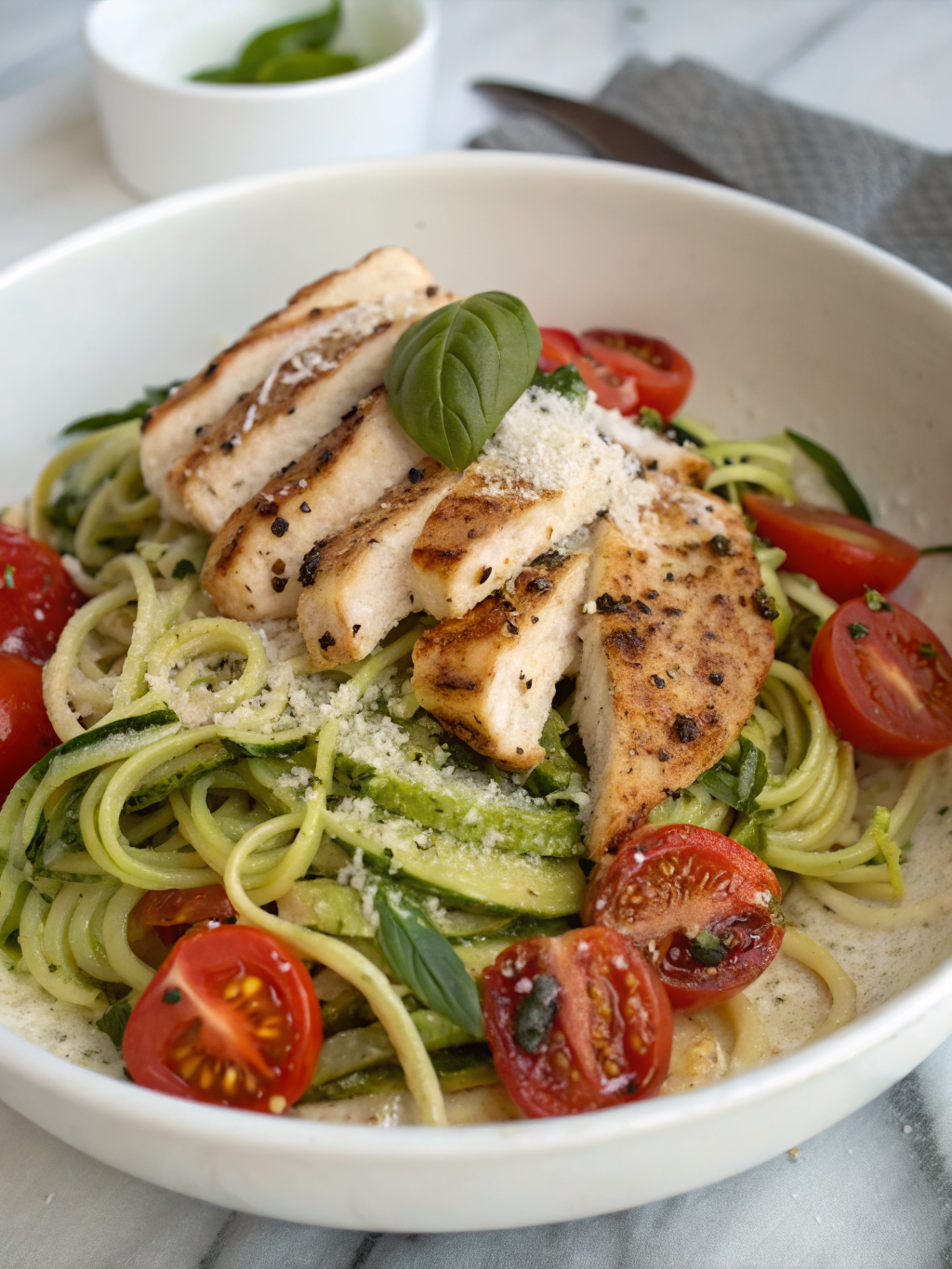
Present your carb-friendly pasta in warmed bowls to maintain optimal temperature and enhance the dining experience. Pair with a crisp arugula salad dressed in lemon vinaigrette to complement the dish’s Mediterranean flavors.
For entertaining, create a “pasta bar” featuring multiple low-carb noodle options alongside various sugar-free sauces like pesto, alfredo, or marinara. This interactive approach allows guests to customize their meals according to dietary preferences and restrictions.
Consider serving alongside roasted vegetables like cherry tomatoes, bell peppers, or asparagus to create a complete, nutrient-dense meal that satisfies both visually and nutritionally.
Common Mistakes to Avoid
Over-salting zucchini noodles: Excess salt draws out too much moisture, creating mushy noodles. Use just enough to lightly coat the surface.
Skipping the shirataki rinse: Failure to properly rinse and dry-fry shirataki noodles results in an unpleasant fishy taste and rubbery texture.
Overcooking alternatives: Most pasta substitutes require significantly less cooking time than wheat pasta. Overcooking destroys their structure and creates an unappetizing mush.
Ignoring moisture content: Low-carb pasta alternatives often contain more water than traditional pasta. Always pat dry and consider adding absorbent ingredients like coconut flour.
Storing Tips for the Recipe
Store prepared pasta alternatives in airtight containers in the refrigerator for up to 4 days. For optimal freshness, store sauce separately and combine just before serving. Zucchini noodles maintain their texture best when stored with a paper towel to absorb excess moisture.
Freeze cauliflower-based pasta for up to 3 months, though texture may become slightly softer upon thawing. Shirataki noodles should be consumed within 2-3 days of preparation for best quality. Always reheat gently in a skillet rather than the microwave to preserve texture.
Conclusion
These innovative pasta alternatives prove that reducing carbohydrates doesn’t mean sacrificing flavor or satisfaction. By embracing zucchini noodles, shirataki, and cauliflower-based options, you’re not just cutting carbs you’re adding valuable nutrients and fiber to your diet. Each alternative offers unique benefits, from the vitamin C in zucchini to the glucomannan fiber in shirataki noodles.
Ready to revolutionize your pasta nights? Start with one alternative that appeals most to your taste preferences, then gradually experiment with others. Share your creations on social media using #CarbFriendlyPasta, and discover how satisfying healthy eating can truly be!
FAQs
Q: Do these pasta alternatives really taste like regular pasta?
A: While they have unique textures and flavors, proper preparation techniques make them surprisingly satisfying. Shirataki noodles come closest to traditional pasta texture when properly prepared.
Q: Can I use these alternatives in any pasta recipe?
A: Most recipes adapt well, though cooking times and liquid ratios may need adjustment. Cream-based sauces work particularly well as they help bind flavors together.
Q: Are these options suitable for meal prep?
A: Yes, though storage methods vary by type. Zucchini noodles are best prepared fresh, while cauliflower-based options store and reheat exceptionally well.
Q: How much money can I save using these alternatives?
A: While initial costs may be higher, the nutritional benefits and portion satisfaction often result in overall meal cost savings of 15-20% compared to traditional pasta dishes with sides.
Did you try our recipe ?
There are no reviews yet. Be the first one to write one.