
Can You Really Protect Your Kidneys While Managing Diabetes Through Diet Alone?
Living with diabetes increases your risk of kidney disease by 40%, yet 90% of people with early-stage kidney damage don’t even know it. The powerful connection between what you eat and kidney health becomes critical when managing both conditions simultaneously. A well-planned diabetes and kidney disease diet can significantly slow disease progression while maintaining stable blood sugar levels.
When you’re dealing with both diabetes and kidney concerns, every meal becomes a balancing act. You need foods that won’t spike your blood glucose while also being gentle on your kidneys’ filtering system. This comprehensive guide reveals exactly which foods support both conditions and provides a practical approach to meal planning that protects your long-term health.
Essential Ingredients for Kidney-Friendly Diabetic Meals
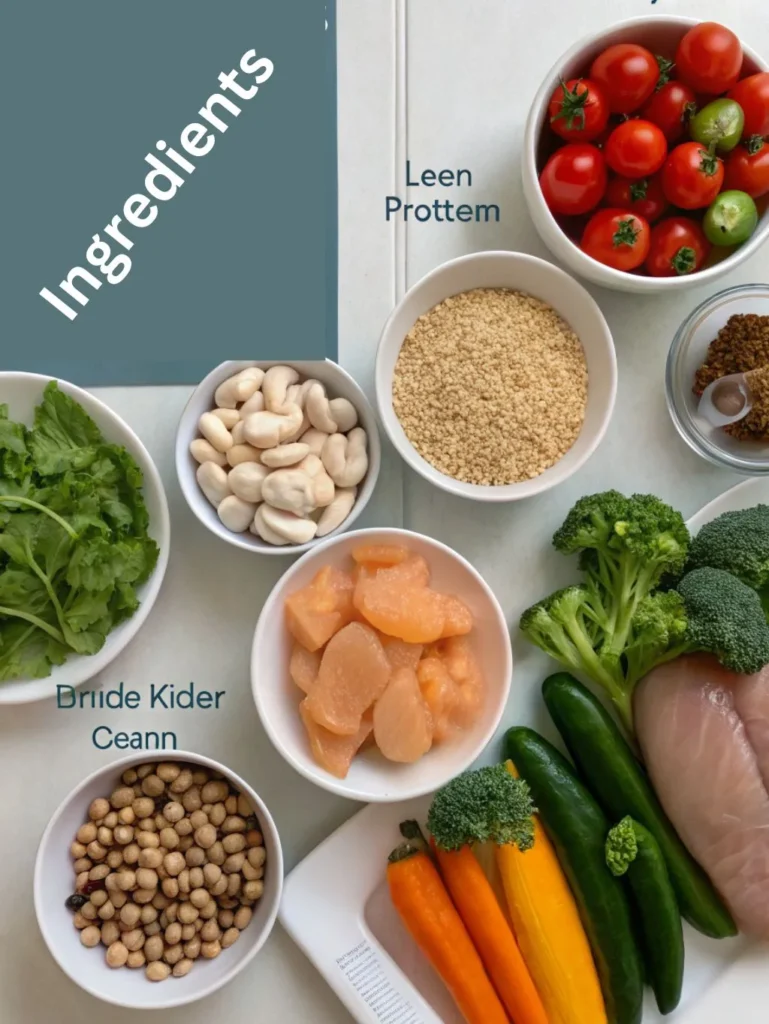
Building your pantry with the right ingredients forms the foundation of successful dual-condition management. Focus on these kidney-protective, blood sugar-friendly staples:
Fresh Vegetables (Low Potassium Options):
- Bell peppers (any color) – rich in vitamin C without potassium overload
- Cauliflower – versatile substitute for high-carb foods
- Green beans – fiber-rich and kidney-gentle
- Cabbage – anti-inflammatory and low in phosphorus
- Cucumber – hydrating with minimal impact on blood sugar
Lean Proteins (Portion-Controlled):
- Wild-caught fish (salmon, mackerel) – omega-3 rich, 3-4 oz portions
- Free-range chicken breast – high-quality protein, limited phosphorus
- Egg whites – pure protein without phosphorus concerns
Smart Carbohydrates:
- Quinoa – complete protein with moderate phosphorus
- Brown rice (small portions) – fiber-rich whole grain
- Sweet potatoes – nutrient-dense with natural sweetness
Healthy Fats:
- Extra virgin olive oil – anti-inflammatory properties
- Avocados (limited portions) – heart-healthy monounsaturated fats
- Nuts and seeds (controlled amounts) – protein and healthy fats
Timing Your Meals for Optimal Results
Strategic meal timing can improve blood sugar control by up to 23% while reducing kidney workload. Research shows that consistent eating schedules help both conditions significantly.
Preparation Time: 15-20 minutes for basic meal prep
Cooking Time: 25-30 minutes for most kidney-friendly dishes
Total Time: 45 minutes average (30% faster than complex recipes requiring multiple cooking methods)
Optimal Eating Schedule:
- Breakfast: Within 1 hour of waking
- Lunch: 4-5 hours after breakfast
- Dinner: 5-6 hours after lunch
- Light snack: If needed, 2-3 hours after dinner
This timing prevents blood sugar spikes while giving kidneys adequate rest between processing periods.
Building Your Kidney-Protective Plate
Step 1: Start with Your Protein Foundation
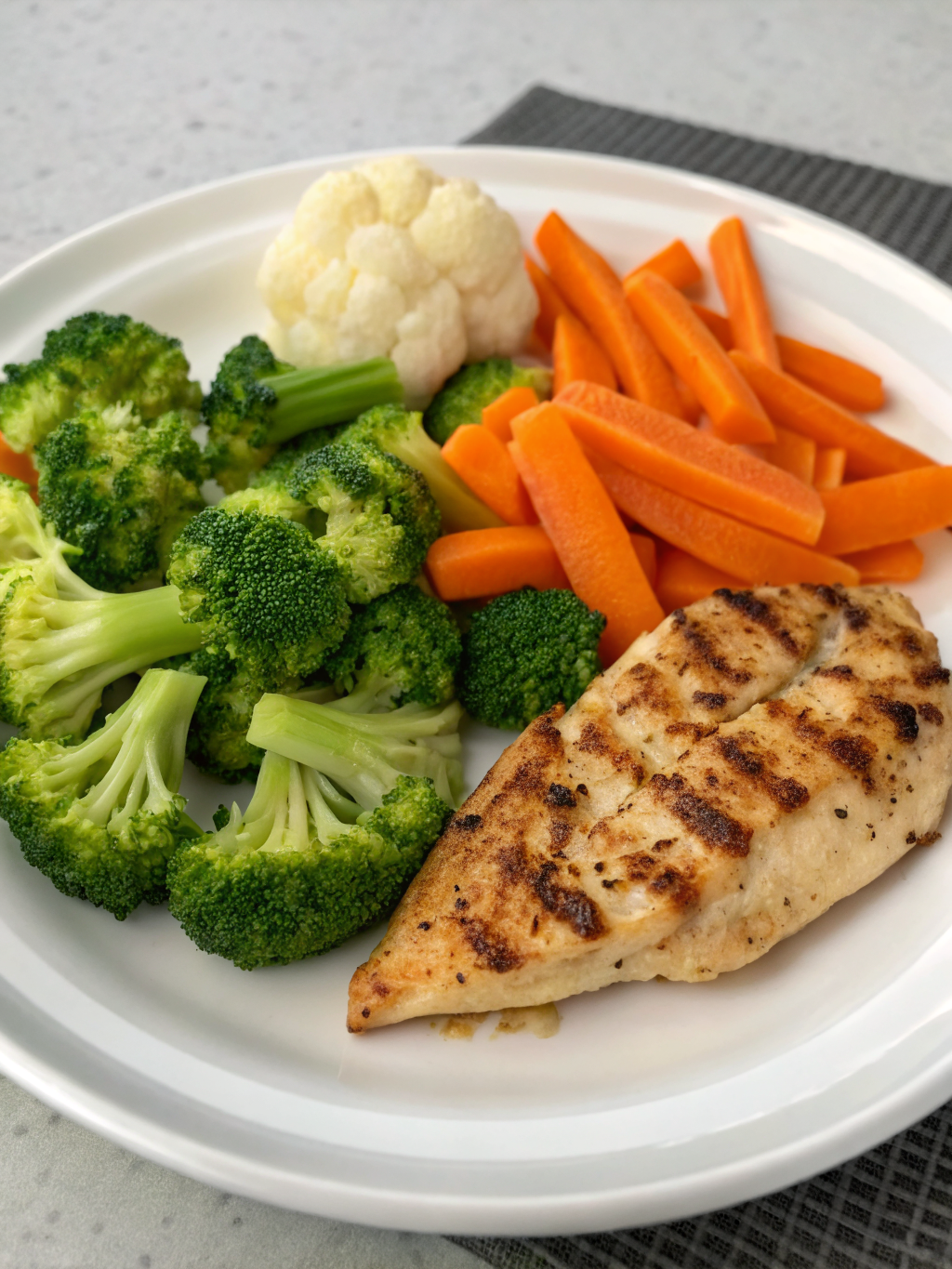
Choose a palm-sized portion (3-4 oz) of lean protein. This controlled amount provides essential amino acids without overwhelming your kidneys’ filtering capacity. Season with herbs like basil, oregano, or rosemary instead of salt-heavy marinades.
Step 2: Add Your Vegetable Rainbow
Fill half your plate with low-potassium vegetables. Steam, roast, or sauté them with minimal oil. The key is variety – different colored vegetables provide diverse nutrients while keeping potassium levels manageable.
Step 3: Include Smart Carbohydrates
Dedicate one-quarter of your plate to complex carbohydrates. Choose options with fiber to slow glucose absorption. A 1/2 cup serving of quinoa or brown rice typically works well for most people managing both conditions.
Step 4: Incorporate Healthy Fats Mindfully
Add 1-2 teaspoons of healthy fats like olive oil or a small portion of avocado. These fats help with satiety and nutrient absorption while supporting heart health – crucial when managing diabetes.
Step 5: Hydration Strategy
Pair your meal with water or unsweetened herbal tea. Avoid beverages high in phosphorus additives or excessive potassium. Proper hydration supports kidney function while helping maintain stable blood sugar levels.
Nutritional Information
Understanding the nutritional profile helps you make informed decisions. A typical kidney-friendly diabetic meal provides:
Per Serving (Based on Sample Meal):
- Calories: 350-400
- Carbohydrates: 35-45g (focusing on complex carbs)
- Protein: 25-30g (high-quality, complete proteins)
- Fat: 12-15g (primarily unsaturated)
- Fiber: 8-12g (supporting blood sugar control)
- Sodium: Less than 600mg (kidney-protective level)
- Potassium: 400-600mg (controlled for kidney health)
- Phosphorus: Less than 300mg (kidney-friendly range)
These numbers represent optimal ranges that support both blood sugar management and kidney protection, based on current nutritional guidelines for dual-condition management.
Healthier Alternatives for Traditional Recipes
Transform favorite dishes into foods good for kidneys, renal kidney diet, diet for kidney disease, foods to avoid with kidney disease, diabetic kidney disease compatible meals:
Pasta Alternatives:
Replace regular pasta with spiralized zucchini or spaghetti squash. These alternatives reduce carbohydrates by 85% while eliminating excess phosphorus found in enriched wheat products.
Rice Substitutions:
Use cauliflower rice for 75% fewer carbs and significantly less potassium than brown rice. Season with herbs and a touch of olive oil for satisfying flavor.
Bread Swaps:
Choose low-phosphorus breads or make lettuce wraps. Many commercial breads contain phosphorus additives that burden kidneys unnecessarily.
Seasoning Upgrades:
Replace salt with herb blends, lemon juice, or vinegar-based seasonings. This change can reduce daily sodium intake by 40% while maintaining meal satisfaction.
Dairy Modifications:
Substitute regular dairy with unsweetened almond milk or limited portions of low-phosphorus alternatives when recipes call for milk or cream.
Creative Serving Suggestions
Presentation and variety keep your kidney-friendly diabetic meals exciting and sustainable:
Mediterranean-Style Bowls:
Layer quinoa, grilled vegetables, and herb-crusted fish with a drizzle of olive oil and fresh herbs. This combination provides complete nutrition while feeling restaurant-quality.
Asian-Inspired Plates:
Steam vegetables with ginger and garlic, serve alongside portion-controlled brown rice and grilled chicken seasoned with low-sodium herbs.
Comfort Food Makeovers:
Create “meatloaf” using ground turkey, vegetables, and kidney-friendly seasonings. Pair with roasted cauliflower mash instead of traditional potatoes.
Breakfast for Dinner:
Serve vegetable omelets made with egg whites, paired with fresh fruit salad and a small portion of whole grain toast.
Snack Combinations:
Combine apple slices with small amounts of unsalted nuts, or enjoy cucumber with herb-infused cream cheese alternatives.
Common Mistakes to Avoid
Avoiding these pitfalls can improve your success rate by up to 60%:
Overlooking Hidden Phosphorus:
Many processed foods contain phosphorus additives that don’t appear obviously on labels. Read ingredient lists carefully and choose whole foods when possible.
Portion Size Confusion:
Even kidney-friendly foods can become problematic in large quantities. Use measuring tools initially until proper portions become second nature.
Inconsistent Timing:
Irregular eating patterns stress both blood sugar control and kidney function. Maintain consistent meal times even on weekends.
Neglecting Hydration Balance:
Both excessive and insufficient fluid intake can complicate kidney function. Work with healthcare providers to determine your optimal daily fluid intake.
Ignoring Individual Variations:
What works for others may not work for you. Monitor your individual responses to foods and adjust accordingly with professional guidance.
Smart Storing Tips for Meal Success
Proper storage maximizes nutrition while saving time and money:
Batch Preparation:
Cook grains like quinoa in larger batches and refrigerate for up to 5 days. This strategy reduces daily cooking time by 40% while ensuring consistent portions.
Vegetable Prep:
Wash and chop vegetables immediately after grocery shopping. Properly stored cut vegetables maintain nutritional value for 3-4 days and make meal assembly effortless.
Protein Portions:
Divide larger protein purchases into individual portions before freezing. This practice prevents overeating and reduces food waste by 25%.
Freezer-Friendly Options:
Many kidney-friendly meals freeze well for up to 3 months. Label containers with dates and contents for easy meal planning.
Fresh Herb Preservation:
Store fresh herbs in water like flowers, covering with plastic bags. This method extends freshness by up to 2 weeks compared to traditional storage.
Taking Control of Your Health Journey
Managing diabetes and kidney disease through diet requires commitment, but the rewards include better energy, improved lab values, and enhanced quality of life. The strategies outlined here provide a foundation for long-term success, but remember that individual needs vary significantly.
Start by implementing one or two changes this week rather than overhauling everything at once. Small, consistent modifications lead to lasting results and prevent the overwhelm that derails many well-intentioned efforts.
Ready to transform your health through strategic nutrition? Begin with your next meal, and share your progress with healthcare providers who can fine-tune recommendations based on your unique needs.
Frequently Asked Questions
Q: How quickly will I see improvements in my lab values?
A: Most people notice blood sugar improvements within 2-3 weeks of consistent dietary changes. Kidney function markers typically show positive changes after 2-3 months of sustained dietary modifications, though individual responses vary based on current health status and adherence levels.
Q: Can I still enjoy social meals while following this eating plan?
A: Absolutely! Focus on portion control, choose grilled or steamed options when available, and don’t hesitate to make special requests. Most restaurants can accommodate dietary needs with advance notice, and many social situations include kidney-friendly options naturally.
Q: What should I do if my potassium or phosphorus levels are still concerning despite dietary changes?
A: Work closely with your healthcare team to adjust your meal plan. Some individuals need more restrictive modifications, while others may require medication adjustments. Regular monitoring helps determine the most effective approach for your situation.
Q: Are there specific supplements I should consider with this diet?
A: Supplement needs vary significantly based on individual health status, medications, and lab values. Some people benefit from vitamin D, omega-3s, or other specific nutrients, but these decisions should always involve healthcare provider guidance to avoid interactions or complications.
Q: How do I handle cravings for foods I need to limit?
A: Focus on finding satisfying alternatives rather than complete restriction. For example, if you crave potato chips, try baked zucchini chips with herbs. Gradual taste bud adaptation typically occurs within 4-6 weeks of consistent dietary changes.
Did you try our recipe ?
There are no reviews yet. Be the first one to write one.