Table of Contents
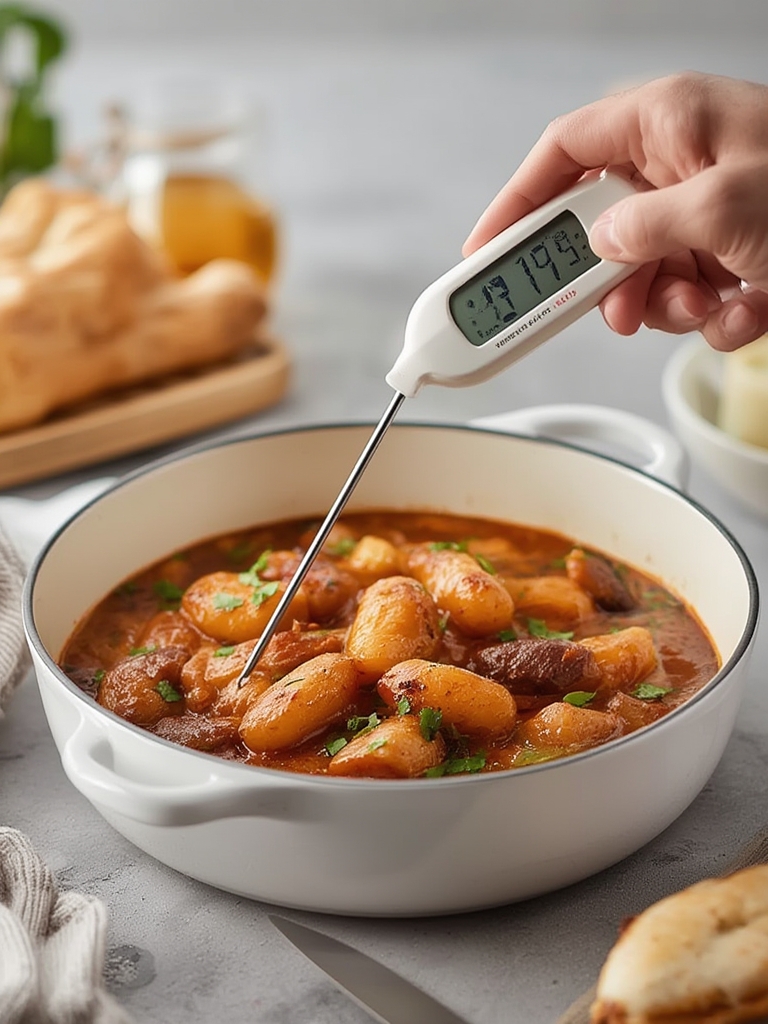
Have you ever wondered if your chicken is perfectly cooked or if your homemade yogurt has reached the ideal temperature? For those managing diabetes or simply pursuing healthier eating habits, precision in cooking isn’t just about taste it’s about safety and nutrition. A digital food thermometer can be the difference between perfectly cooked, nutritious meals and potentially dangerous or nutritionally compromised food. Let’s explore how this essential kitchen tool can transform your cooking experience, especially for those with specific health considerations.
What to Look For in a Digital Food Thermometer
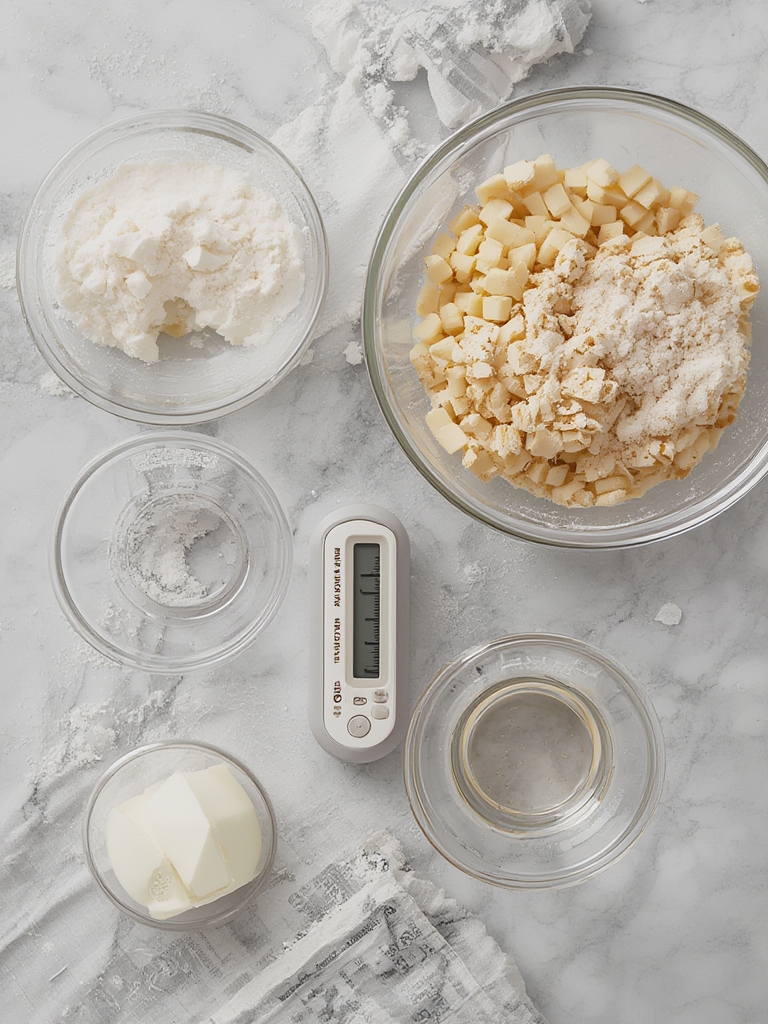
When shopping for a instant read food thermometer, kitchen thermometer for cooking, meat thermometer for healthy cooking, consider these essential features:
- Accuracy: Look for ±0.5°F precision for reliable temperature readings
- Speed: The best models provide readings in 2-3 seconds
- Temperature Range: Ideally 58°F to 572°F (-50°C to 300°C)
- Display: Large, backlit digital display for easy reading
- Waterproof Rating: IPX7 is ideal for easy cleaning and durability
- Auto-Shut Off: Preserves battery life
- Calibration Feature: Ensures continued accuracy over time

Timing and Efficiency
Using a digital food thermometer actually saves time in your cooking process:
- Eliminates Guesswork: No more cutting into meat to check doneness (2-3 minutes saved per dish)
- Prevents Overcooking: Stop cooking exactly when food reaches optimal temperature (5-10 minutes saved per preparation)
- Reduces Food Waste: Perfectly cooked food means fewer rejected meals (saves both time and money)
- Quick Reading Time: Modern thermometers provide readings in 2-3 seconds versus 30+ seconds with analog versions
Step-by-Step Guide to Using a Digital Food Thermometer
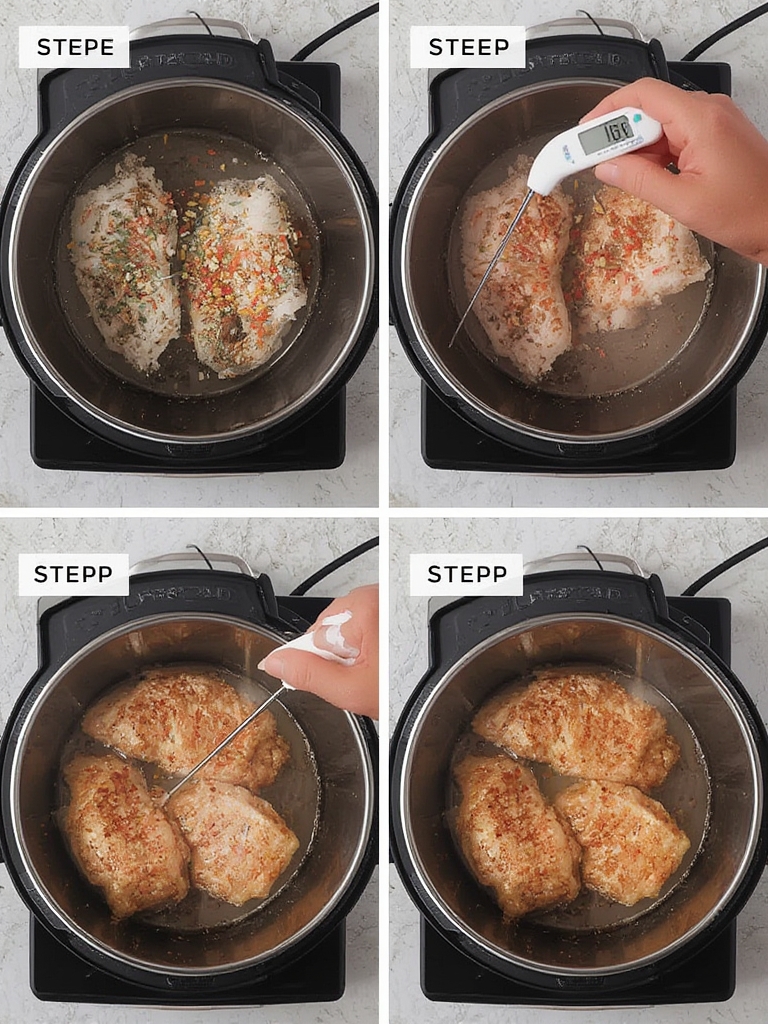
Step 1: Prepare Your Thermometer
Ensure your digital food thermometer is clean and batteries are functional. For accurate readings, calibrate periodically by testing in ice water (32°F/0°C) and boiling water (212°F/100°C at sea level).
Step 2: Insert Properly
Place the probe into the thickest part of the food, avoiding bones, fat, or the cooking vessel. For thin foods like hamburgers, insert the probe sideways.
Step 3: Wait for Reading
Hold steady until the temperature reading stabilizes (usually 2-3 seconds with instant-read models).
Step 4: Clean After Use
Wipe the probe with alcohol or hot, soapy water after each use to prevent cross-contamination.
Safe Internal Temperature Guide
| Food Type | Safe Temperature | Diabetic-Friendly Notes |
|---|---|---|
| Chicken/Turkey | 165°F (74°C) | Lean protein, low glycemic impact |
| Ground Beef | 160°F (71°C) | Pair with low-carb sides |
| Fish | 145°F (63°C) | Excellent omega-3 source |
| Pork | 145°F (63°C) + 3 min rest | Choose lean cuts |
| Egg dishes | 160°F (71°C) | Great protein source |
| Yogurt making | 110-115°F (43-46°C) | Perfect for sugar-free preparations |
Health Benefits for Diabetic Cooking
A digital food thermometer provides critical benefits for those managing diabetes:
- Ensures proteins are safely cooked without overcooking (preserving nutrients)
- Allows precise low-temperature cooking methods that retain more nutrients
- Helps maintain consistent results when preparing sugar-free fermented foods
- Ensures food safety while preventing the charring that can create harmful compounds
Common Mistakes to Avoid
- Touching Bone: This gives falsely high readings
- Testing Too Soon: Allow proper cooking time before checking
- Relying on “Feel”: Temperature is the only reliable indicator of doneness
- Infrequent Cleaning: Always sanitize between uses
- Ignoring Calibration: Check accuracy every 6 months
Storing Your Digital Thermometer
- Keep in original case or protective sleeve
- Store in a cool, dry drawer away from extreme heat
- Remove batteries if storing long-term
- Avoid contact with water for non-waterproof models
- Replace batteries at first sign of slow readings
Conclusion
Investing in a quality digital food thermometer is essential for anyone managing diabetes or pursuing healthier cooking. This simple tool ensures food safety while helping preserve nutrients and achieve consistent results in your kitchen. The precision it provides transforms cooking from guesswork into a reliable, healthy culinary experience.
FAQs
Can I use my digital food thermometer for candy or deep frying?
Most standard models work up to 400°F, but specialized candy thermometers are recommended for temperatures above that range.
How often should I replace my digital thermometer?
With proper care, a quality model should last 2-3 years. Replace sooner if accuracy becomes questionable.
Can I leave my thermometer in food while cooking?
Only if it’s specifically designed as a leave-in thermometer. Instant-read models aren’t designed for continuous heat exposure.
Is a digital thermometer better than analog for diabetic cooking?
Yes, digital models offer greater precision (±1°F vs ±5°F with analog), which is crucial for nutritionally-optimized cooking.
Do I need different thermometers for meat and baking?
A good all-purpose digital thermometer works for most kitchen tasks, though specialized models exist for yogurt, candy, and other specific applications.
Did you try our recipe ?
There are no reviews yet. Be the first one to write one.