Table of Contents
Portion control tools for diabetics. If you’ve ever finished a meal and watched your blood sugar spike higher than expected, you’re not alone. Many people with type 2 diabetes struggle with portion sizes not because they lack willpower, but because eyeballing servings is surprisingly difficult.
The truth is, even healthy foods can affect your glucose levels when portions get out of control. A handful of almonds can quickly become three servings. That “medium” sweet potato might actually be double the carbs you planned for.
This is where portion control tools become game-changers for diabetes management.

Why Portion Control Matters for Blood Sugar Management
When you have type 2 diabetes, the amount of carbohydrates you eat directly impacts your blood glucose levels. Even nutritious foods like quinoa, fruit, or whole-grain bread contain carbs that need to be managed.
The American Diabetes Association emphasizes that understanding portion sizes is fundamental to effective diabetes management. But here’s the challenge: our perception of “normal” portion control tools for diabetics has grown significantly over the past few decades.
Restaurant servings are often 2-3 times larger than recommended amounts. At home, we tend to underestimate portions by 20-50%, according to nutrition research. For someone managing diabetes, these miscalculations can mean the difference between stable blood sugar and frustrating spikes.
Portion control tools take the guesswork out of meal planning. They may help you:
- Track carbohydrate intake more accurately
- Maintain consistent meal sizes throughout the week
- Reduce the mental load of meal planning
- Support weight management goals
- Build confidence in food choices
How the Right Portion Control Tools Support Your Diabetes Goals
The best portion control tools work quietly in the background of your daily routine. They’re not about restriction they’re about clarity and consistency.
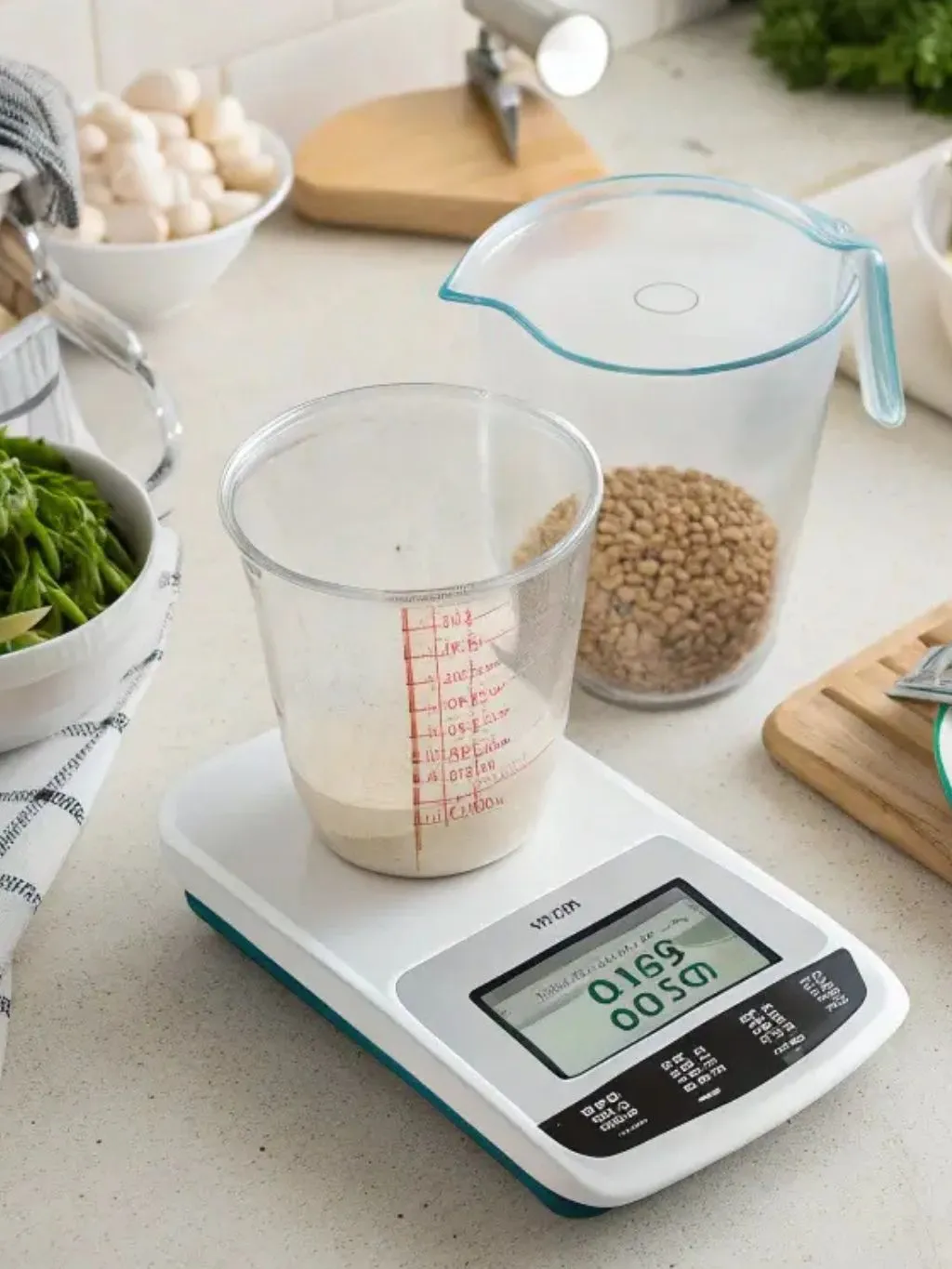
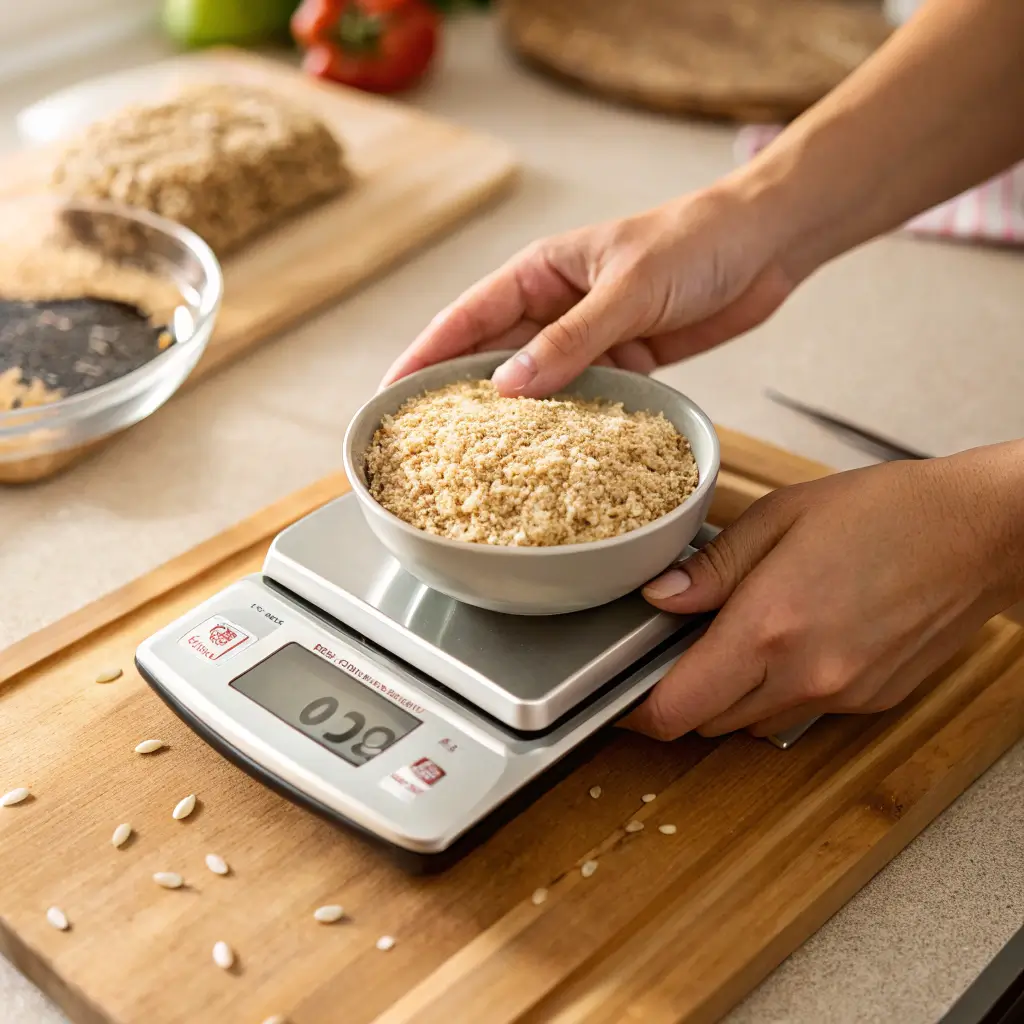
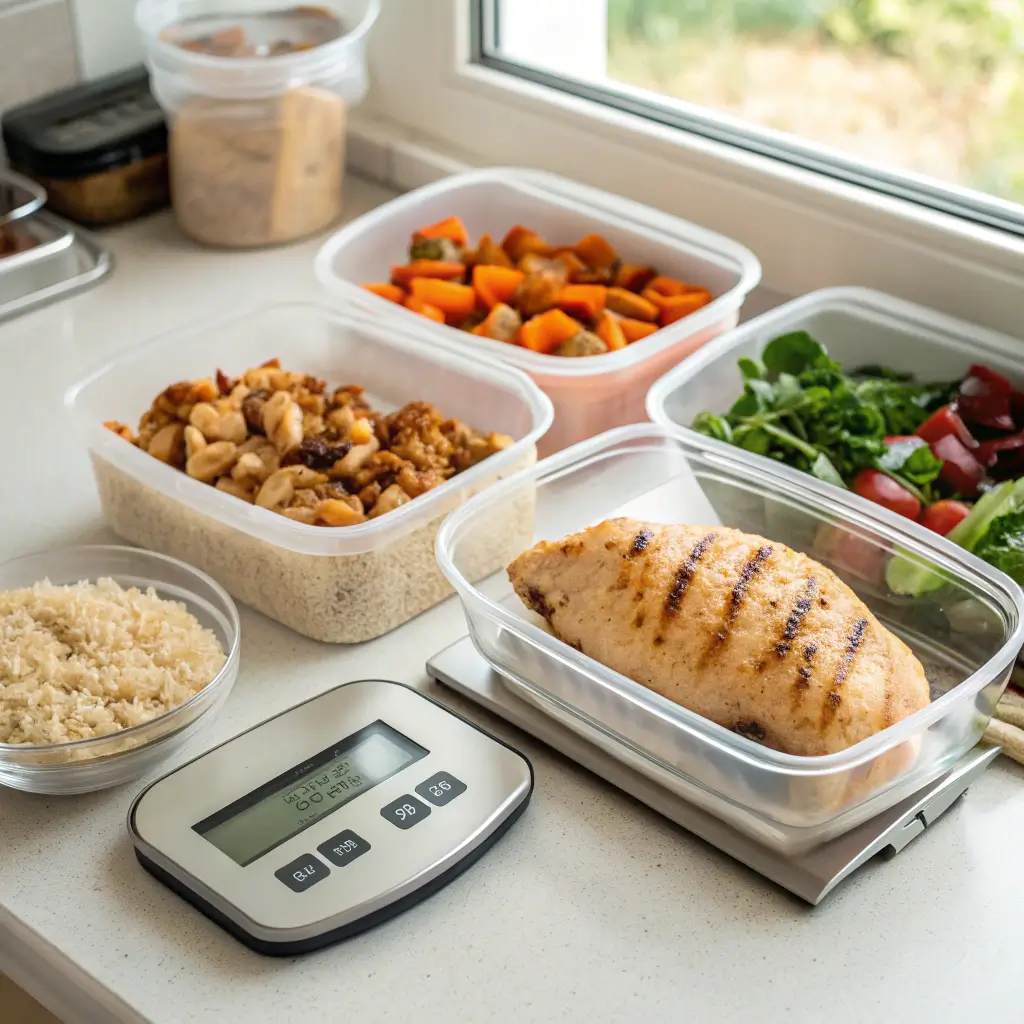
A quality digital food scale, for example, can show you exactly what 30 grams of almonds looks like. After a few weeks, you’ll start recognizing portions naturally, even without measuring every time.
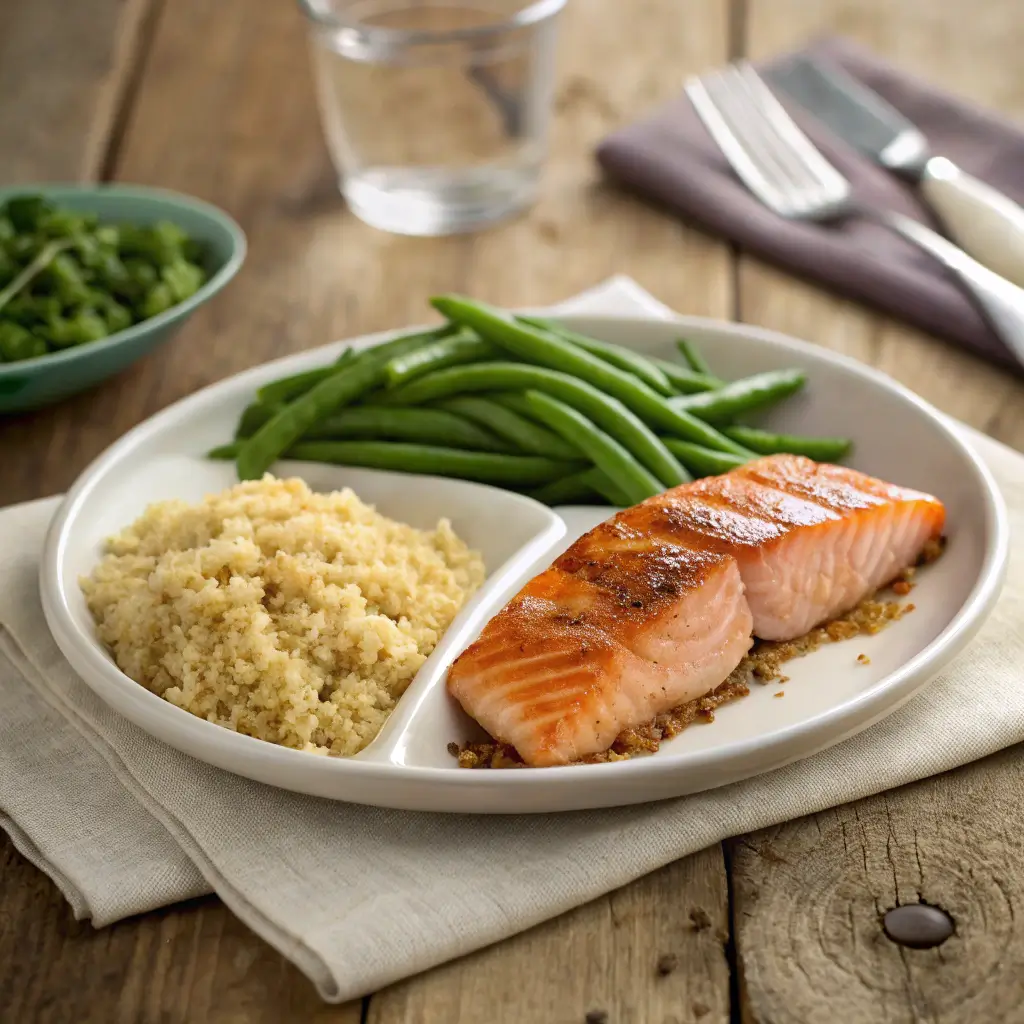
Portion control plates with divided sections can support balanced meal composition. Many diabetic-friendly designs include a larger section for non-starchy vegetables, a moderate section for lean protein, and a smaller section for carbohydrates.
Measuring cups and spoons remain essential for both cooking and serving. They’re particularly useful for foods that don’t weigh easily like leafy greens or fluffy cauliflower rice.
These tools work best when they fit seamlessly into your cooking routine, not when they feel like extra work.
Essential Features to Look for in Portion Control Tools
Digital Food Scales
Accuracy: Look for scales that measure in 1-gram increments. This precision matters when counting carbs in foods like pasta or bread.

Portion Control Tools: Using the right portion sizes can make a big difference in blood sugar management, and portion control tools help diabetics stay consistent without guessing.
Our Top Recommendation: Etekcity Digital Kitchen Scale is perfect
for measuring ingredients precisely when preparing low-carb and sugar-free recipes. It features easy-to-read digital display and reliable accuracy and has excellent social proof with 438+ customer reviews and a 4.9 rating.
Why we recommend it:
- Reliable accuracy for measuring ingredients in low-carb and sugar-free recipes
- Simple, user-friendly design suitable for daily kitchen use
- Reasonably priced, offering solid performance without overspending
Best for: people with type 2 diabetes managing portion sizes at home
Price: $27.96
Rating: ⭐⭐⭐⭐⭐
Tare function: This lets you place a bowl on the scale and reset to zero, so you’re only weighing the food itself.
Multiple units: The ability to switch between grams, ounces, and milliliters makes following different recipe formats easier.
Capacity: Choose a scale that handles at least 11 pounds (5 kg) for meal prep versatility.
Easy-to-read display: Backlit screens help in various lighting conditions.
Portion Control Plates
Clear section divisions: Visual guides should make it obvious how much space each food group gets.
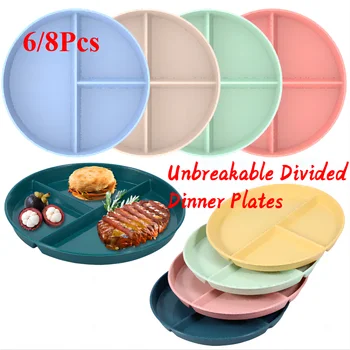
Portion Control Plates
Clear section divisions: Visual guides should make it obvious how much space each food group gets.
Our Top Recommendation: The 3-Section Portion Control Plate is designed specifically for balanced meal planning with diabetes in mind. It features clearly divided sections that help you visualize the 50/25/25 method half your plate for vegetables, and quarters for protein and carbs. Thousands of users have found it transforms guesswork into simple, visual portion control.
Why we recommend it:
- Three distinct sections eliminate portion estimation errors
- Durable, food-safe materials suitable for daily use
- Dishwasher and microwave safe for maximum convenience
- Affordable option that doesn’t sacrifice quality
Best for: Anyone who wants a simple, visual way to portion meals without constant measuring
Price: Under $15 with free shipping
Rating: ⭐⭐⭐⭐⭐
Dishwasher-safe materials: Convenience matters for daily use.
Appropriate sizes: Most diabetic-friendly plates are 9-10 inches in diameter, smaller than standard dinner plates.
Durable construction: BPA-free plastic or quality ceramic that won’t chip easily.
Measuring Cups and Spoons
Stainless steel or BPA-free plastic: These materials last longer and won’t absorb odors.
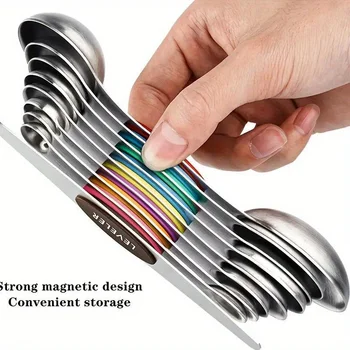
Measuring Cups and Spoons
Stainless steel or BPA-free plastic: These materials last longer and won’t absorb odors.
Our Top Recommendation: The Stainless Steel Measuring Cups and Spoons Set is essential for accurate carb counting in diabetic meal planning. This complete set includes all the measurements you need from 1/8 teaspoon to 1 cup making it perfect for both cooking and portioning.
Why we recommend it:
- Engraved measurement markings that won’t fade or wear off over time
- Food-grade stainless steel that’s dishwasher safe and rust-resistant
- Nested design saves drawer space and keeps everything organized
- Includes critical measurements like 1/8 cup for precise carb counting
- Sturdy construction that lasts for years of daily use
Best for: Anyone who follows recipes, meal preps, or needs precise portion control for medications or supplements
Price: Under $10 with free shipping
Rating: ⭐⭐⭐⭐⭐
Clearly marked measurements: Etched or engraved markings won’t wear off over time.
Stackable design: Saves drawer space and keeps sets organized.
Complete sets: Including 1/8 cup and 1/2 tablespoon measures for precise carb counting.
Incorporating Portion Tools into Diabetic Meal Preparation
Start by measuring foods you eat most frequently. This builds your internal database of what proper portions actually look like.
For breakfast, weigh your oatmeal or cereal. Most people are surprised to learn that a true serving of granola is only about 1/4 cup much less than what fills a typical cereal bowl.
When preparing lunch, use your food scale for proteins. A 3-ounce serving of chicken breast (about the size of a deck of cards) contains zero carbs but is often overestimated by sight alone.
At dinner, portion control plates can support balanced meal composition. Fill half with non-starchy vegetables like broccoli or spinach, one quarter with lean protein, and one quarter with your carbohydrate choice measured, of course.
The most effective approach combines tools with knowledge. After weighing pasta a dozen times, you’ll recognize what 1/2 cup of cooked pasta looks like in your favorite bowl.
Simple Recipe Examples Using Portion Control
Balanced Breakfast Bowl
Ingredients (measured):
- 1/2 cup cooked steel-cut oats (weighed dry: 40g)
- 1/4 cup blueberries (weighed: 35g)
- 1 tablespoon chopped walnuts (weighed: 7g)
- 1/2 cup plain Greek yogurt (measured)
- Cinnamon to taste
Total carbs: Approximately 35-40g
Use your food scale for the oats and berries, measuring cups for the yogurt. This combination provides fiber, protein, and controlled carbohydrates.
Portion-Perfect Stir-Fry
Ingredients (measured):
- 4 ounces chicken breast (weighed: 113g)
- 2 cups mixed non-starchy vegetables (measured loosely)
- 1/2 cup cooked brown rice (weighed cooked: 100g)
- 1 tablespoon olive oil (measured)
- Low-sodium soy sauce and garlic
Total carbs: Approximately 25-30g
Weigh your protein and cooked rice. The vegetables can be measured by volume since they’re low-carb.
Snack Portions That Work
Option 1:
- 1 ounce cheese (weighed: 28g)
- 15 whole-grain crackers (counted and weighed to verify serving)
Option 2:
- 1/4 cup hummus (measured)
- 1 cup raw vegetables (measured)
These portions can help prevent blood sugar dips between meals while keeping carbs manageable.
Common Portion Control Mistakes to Avoid
Measuring only sometimes: Consistency matters more than perfection. Measure regularly, especially for carbohydrate-containing foods, until portion recognition becomes second nature.
Forgetting liquid measurements: Beverages, sauces, and dressings contain carbs and calories too. A tablespoon of honey looks different than a tablespoon of water due to viscosity.
Not accounting for cooking methods: Foods change volume when cooked. Rice and pasta expand significantly. Always note whether a recipe calls for cooked or uncooked measurements.
Using the wrong measuring technique: Flour should be spooned and leveled, not scooped and packed. These differences can affect carb counts in baked goods.
Relying solely on package serving sizes: Manufacturers’ serving sizes don’t always align with diabetic meal planning. A package might list 2.5 servings, but you need to know what works for your individual blood sugar targets.
Skipping protein and fat portions: While these have minimal impact on blood sugar compared to carbs, overall calorie balance still matters for weight management.
Not recalibrating periodically: Even experienced portion estimators benefit from occasionally weighing foods again to check their accuracy.
Quick Comparison: Essential Portion Control Tools
| Tool | Best For | Key Benefit | Price | Our Rating |
|---|---|---|---|---|
| Portion Control Plate | Visual meal balance | See proper portions instantly | ~$12 | ⭐⭐⭐⭐⭐ |
| Measuring Cups & Spoons | Recipe accuracy | Never-fade engraved markings | ~$8 | ⭐⭐⭐⭐⭐ |
| Digital Food Scale | Precise carb counting | Accurate to 1 gram | ~$15 | ⭐⭐⭐⭐⭐ |
💡 Pro Tip: Get all three with free shipping for under $40 total a complete portion control system that lasts for years.
🛒 SHOP PORTION PLATE → | 🛒 SHOP MEASURING SET → | 🛒 SHOP DIGITAL FOOD SCALE
Frequently Asked Questions
Do I need to measure every meal forever?
Not necessarily. Most people find that after several weeks of consistent measuring, they develop a reliable sense of appropriate portions. However, periodically measuring again especially for carb-heavy foods can help maintain accuracy. Many people continue weighing new foods or recipes while relying on visual estimation for familiar meals.
What’s more important: a food scale or portion control plates?
Both serve different purposes. Food scales provide precise measurements essential for carb counting, especially with calorie-dense or carbohydrate-rich foods. Portion control plates offer visual guidance for meal composition and balance. If you’re starting with just one tool, a digital food scale typically provides the most versatility for diabetes management.
Can portion control tools help with eating out?
Absolutely. Using these tools at home trains your eye to recognize appropriate portions anywhere. You’ll start noticing when restaurant servings are 2-3 times larger than what you’d eat at home. Many people successfully manage their diabetes by eating half a restaurant meal and taking the rest home, or requesting a to-go box when the meal arrives and portioning immediately.
How do I measure foods like salads or soups?
For mixed dishes, you can measure the total volume and estimate carb content, or break down individual components. Soups are easiest measured by volume (cups). For salads, weigh higher-carb ingredients like beans, corn, or croutons separately, and measure the greens and non-starchy vegetables by volume since they have minimal impact on blood sugar.
Are portion control tools expensive?
Quality tools are surprisingly affordable and last for years. Basic digital food scales range from $10-$30, measuring cups and spoons from $10-$20, and portion control plates from $15-$25. Compared to the cost of diabetes complications or ineffective blood sugar management, these tools represent excellent value.
Will using these tools make meal preparation take longer?
Initially, measuring adds a few minutes to meal prep. However, most people find the process becomes quick and automatic within 2-3 weeks. Many discover they actually save time because they’re more organized and make fewer impulse food decisions. Batch measuring during meal prep can also streamline the process.
Taking Control of Your Portions, One Meal at a Time
Managing type 2 diabetes doesn’t require perfection it requires consistency and awareness. Portion control tools can support both.
These simple kitchen aids transform abstract nutrition guidelines into concrete, manageable actions. They remove the uncertainty that often derails even the best intentions.
Start with one tool that addresses your biggest challenge. If you struggle with carbohydrate portions, a digital food scale might be your best first investment. If balanced meals are your concern, a portion control plate could provide the structure you need.
Remember, these tools work best when combined with guidance from your healthcare team, regular blood sugar monitoring, and a sustainable approach to eating that you can maintain long-term.
The goal isn’t to measure forever it’s to build confidence and knowledge that eventually becomes intuitive. Until then, let your portion control tools do the heavy lifting while you focus on enjoying nutritious, blood-sugar-friendly meals.
Health Disclaimer: This article is for informational purposes only and does not replace medical advice. Portion sizes and carbohydrate needs vary by individual. Always consult with your healthcare professional, registered dietitian, or certified diabetes educator before making significant changes to your meal planning or diabetes management approach.
Did you try our recipe ?
There are no reviews yet. Be the first one to write one.