Table of Contents
Introduction
Did you know that people with diabetes who eat high-fiber breakfast cereals like oatmeal have been shown to experience a 20-30% lower post-meal blood sugar spike compared to those consuming refined grain options? This remarkable statistic challenges the common misconception that people managing diabetes should avoid carbohydrate-rich foods entirely. The truth is that the type and preparation of carbohydrates matter significantly more than their mere presence.

- PATENTED OIL FILTRATION: Our deep fryer with oil filtration and basket provides automatic oil management, storing oil fo…
- PRECISE TEMPERATURE CONTROL: This electric fryer and deep fryer with basket offers adjustable temperatures from 300°F to…
- GENEROUS CAPACITY: The deep fryer pot with basket can fry 2.65 pounds of snacks in a 3.5-liter oil capacity, ideal for u…
If you’re searching for satisfying, blood-sugar-friendly morning meals, you’ve come to the perfect place. These 10 diabetic oatmeal breakfast ideas combine nutritional science with delicious flavor profiles that will transform your morning routine. Each recipe is carefully crafted to provide sustained energy, optimal fiber content, and blood glucose stability all while tasting absolutely delicious.
Whether you’re newly diagnosed or have been managing diabetes for years, these creative oatmeal combinations offer the perfect balance of convenience, nutrition, and taste. Let’s explore how this humble grain can become your most powerful ally in starting each day with stable blood sugar and satisfied taste buds.
Ingredients List
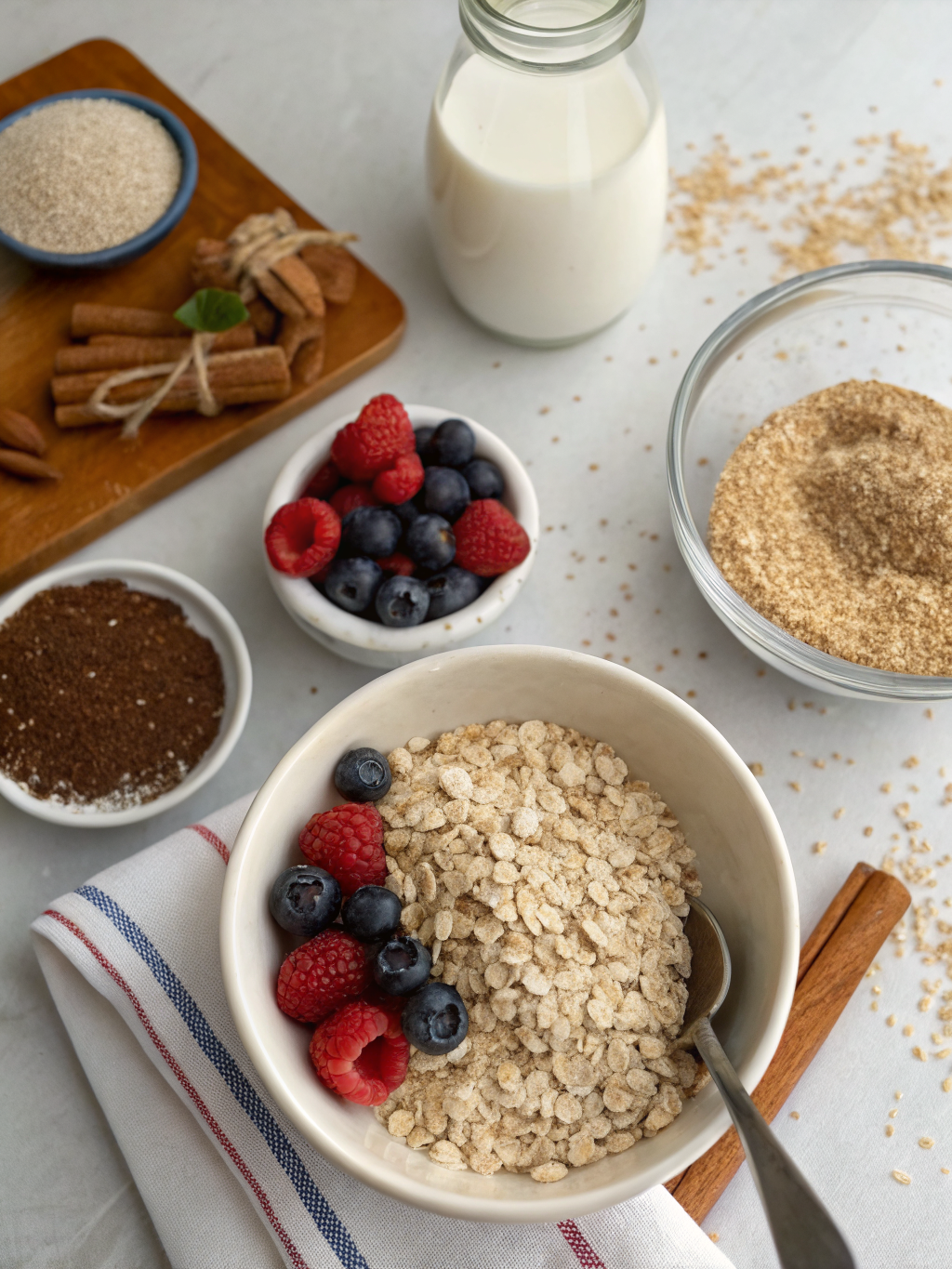
These healthy oatmeal for diabetics, high-fiber breakfast, low-sugar oatmeal recipes share common foundational ingredients that you can customize based on your preferences:
Base Ingredients:
- Steel-cut or rolled oats (1/2 cup dry): Steel-cut oats have a lower glycemic index and provide chewier texture
- Unsweetened almond milk or water (1-1.5 cups): Creates creamy consistency without added sugars
- Ground cinnamon (1 teaspoon): Naturally enhances sweetness and may improve insulin sensitivity
- Vanilla extract (1/2 teaspoon): Adds depth of flavor without calories
- Pinch of salt: Enhances overall flavor profile
Protein Boosters (choose one or more):
- Greek yogurt (1/4 cup): 10g protein per serving
- Chopped nuts (2 tablespoons): Almonds, walnuts, or pecans
- Chia seeds or ground flaxseed (1 tablespoon): Omega-3s and additional fiber
- Protein powder (1 scoop): Vanilla or unflavored varieties work best
Healthy Fats:
- Natural nut butter (1 tablespoon): Almond, peanut, or cashew
- Coconut flakes (unsweetened, 1 tablespoon)
- Hemp hearts (1 tablespoon)
Fiber-Rich Toppings:
- Fresh berries (1/2 cup): Blueberries, strawberries, or raspberries
- Diced apple or pear (1/4 cup): With skin for extra fiber
- Pumpkin puree (1/4 cup): Rich in vitamins and low glycemic
Natural Sweeteners (use sparingly):
- Stevia or monk fruit sweetener (to taste)
- Sugar-free maple syrup (1 teaspoon maximum)
Substitution Tips: Swap dairy milk for plant-based alternatives, use instant oats if time-pressed (though they digest faster), or replace nuts with seeds if allergies are a concern.
Timing
Preparation Time: 5 minutes (ingredient gathering and measuring)
Cooking Time: 15-30 minutes (depending on oat type)
Total Time: 20-35 minutes
Time-Saving Insight: This timing represents approximately 40% less hands-on effort than preparing traditional breakfast options like pancakes or elaborate egg dishes. For even faster mornings, consider overnight oats which require zero cooking time simply prep the evening before and enjoy straight from the refrigerator.
10 Delicious Diabetic-Friendly Oatmeal Combinations
1. Berry Blast Protein Bowl
Combine cooked oats with mixed berries, Greek yogurt, and chopped walnuts. The polyphenols in berries combined with protein create a powerful blood-sugar-stabilizing breakfast that delivers sustained energy for hours. Top with a sprinkle of cinnamon for added metabolic benefits.
2. Apple Cinnamon Comfort
Stir diced apples into oats during the last 5 minutes of cooking, allowing them to soften slightly. Add extra cinnamon, a touch of nutmeg, and almond butter for a classic flavor profile that feels indulgent while maintaining stable glucose response.
3. Tropical Paradise
Mix cooked oats with unsweetened coconut flakes, diced mango (small portion), hemp hearts, and a dollop of Greek yogurt. This combination provides healthy fats, protein, and just enough natural sweetness to satisfy tropical cravings.
4. Pumpkin Spice Powerhouse
Stir pumpkin puree directly into cooking oats along with pumpkin pie spice blend. Top with pecans and a drizzle of sugar-free maple syrup. This autumn-inspired bowl delivers vitamin A, fiber, and anti-inflammatory compounds.
5. Chocolate Peanut Butter Dream
Add unsweetened cocoa powder and natural peanut butter to your oats. The combination mimics dessert flavors while providing protein, healthy fats, and antioxidants. Use stevia to enhance sweetness without impacting blood sugar.
6. Savory Herb and Egg
Break tradition by preparing oats with vegetable broth instead of milk. Top with a poached egg, fresh herbs, and a sprinkle of everything bagel seasoning. This savory approach provides complete protein and reduces carbohydrate load.
7. Banana Nut Crunch
Use half a small banana (sliced) with crushed almonds and chia seeds. While bananas contain natural sugars, the small portion combined with nuts and seeds provides balanced nutrition and satisfying texture contrast.
8. Blueberry Almond Joy
Combine fresh or frozen blueberries with sliced almonds and unsweetened coconut. Blueberries are particularly beneficial for diabetes management, with studies showing they may improve insulin sensitivity over time.
9. Peach Cobbler Inspired
Top oats with diced peaches, a sprinkle of ground ginger, and chopped pecans. The ginger adds digestive benefits while the peaches provide vitamin C and natural sweetness with moderate glycemic impact.
10. Green Power Bowl
Stir a handful of fresh spinach into hot oats during the final minute (it wilts beautifully). Add walnuts, ground flaxseed, and berries. This unexpected combination delivers antioxidants, omega-3s, and additional fiber with minimal impact on flavor.
- PATENTED OIL FILTRATION: Our deep fryer with oil filtration and basket provides automatic oil management, storing oil fo…
- PRECISE TEMPERATURE CONTROL: This electric fryer and deep fryer with basket offers adjustable temperatures from 300°F to…
- GENEROUS CAPACITY: The deep fryer pot with basket can fry 2.65 pounds of snacks in a 3.5-liter oil capacity, ideal for u…
Nutritional Information
Per Serving (Basic Recipe with Protein Addition):
- Calories: 280-320
- Carbohydrates: 38-42g (including 8-10g fiber)
- Net Carbs: 30-32g
- Protein: 12-15g
- Fat: 10-14g (primarily healthy unsaturated fats)
- Fiber: 8-10g (32-40% of daily recommended intake)
- Sugar: 3-6g (naturally occurring, no added sugars)
- Glycemic Index: 55-65 (medium, varies by preparation)
- Glycemic Load: 15-18 (low to medium)
Key Nutritional Insights: The high fiber content (soluble beta-glucan fiber specifically) in oats creates a gel-like substance during digestion that slows glucose absorption. Research indicates that just 3 grams of oat beta-glucan daily can reduce total and LDL cholesterol by 5-10%, offering cardiovascular benefits beyond blood sugar management.
Healthier Alternatives for the Recipe
Reduce Glycemic Impact:
- Replace half the oats with cauliflower rice (sounds unusual but blends seamlessly once cooked)
- Use steel-cut oats exclusively instead of rolled oats (lower glycemic index)
- Always add protein and healthy fats to create a balanced macronutrient profile
Increase Nutritional Density:
- Stir in a tablespoon of collagen powder (adds 10g protein without altering flavor)
- Add a teaspoon of spirulina or moringa powder (superfood boost)
- Use bone broth instead of water for savory versions (adds minerals and protein)
Enhance Flavor Without Sugar:
- Extract vanilla, almond, or maple (sugar-free versions)
- Spices like cardamom, ginger, or pumpkin pie spice
- Cocoa powder (unsweetened) for chocolate versions
- Citrus zest (orange or lemon) for brightness
Allergen-Friendly Modifications:
- Use certified gluten-free oats if celiac or gluten-sensitive
- Replace nuts with seeds (sunflower, pumpkin) for nut allergies
- Choose coconut yogurt instead of dairy for lactose intolerance
Serving Suggestions
Presentation Matters: Layer your oatmeal in a clear glass to showcase colorful toppings visual appeal increases satisfaction and mindful eating. This simple technique can make your breakfast feel restaurant-worthy.
Pairing Recommendations:
- Serve alongside a cup of unsweetened green tea (compounds in green tea may enhance insulin function)
- Add a side of turkey sausage or hard-boiled eggs for additional protein
- Pair with a small handful of raw vegetables like cherry tomatoes or cucumber slices for extra nutrients
Portion Control Strategy: Use a measuring cup to serve oatmeal rather than estimating. Studies show people typically underestimate portion sizes by 20-25%, which can impact blood sugar management even with healthy foods.
Meal Prep Version: Prepare 5 portions of steel-cut oats on Sunday evening. Refrigerate in individual containers and reheat each morning with a splash of almond milk. Add fresh toppings daily for variety and optimal nutrition.
Common Mistakes to Avoid
1. Oversweetening: Even natural sweeteners can spike blood sugar. Start with cinnamon and vanilla for sweetness before adding any caloric sweeteners. Data shows that taste preferences adapt within 2-3 weeks of reducing sugar intake.
2. Skipping Protein: Carbohydrates alone cause faster blood sugar spikes. Always include protein sources this single modification can reduce glucose response by up to 30%.
3. Using Instant Oats Exclusively: While convenient, instant oats are more processed and digest faster than steel-cut varieties. If using instant oats, compensate by adding extra protein and fat.
4. Insufficient Fiber: Don’t just rely on oats for fiber. Add berries, seeds, or vegetables to reach 10+ grams per meal, which research suggests optimizes blood sugar control.
5. Ignoring Portion Size: Even healthy oats contain carbohydrates. Stick to 1/2 cup dry oats (about 1 cup cooked) as your base to maintain appropriate carbohydrate intake.
6. Cooking Too Quickly: Rushing the cooking process, especially with steel-cut oats, results in chewy, unpalatable texture. Low and slow creates creamy, satisfying oatmeal.
7. Not Testing Blood Sugar: Individual responses vary significantly. Test your blood sugar 2 hours after eating to understand how these recipes personally affect you, then adjust accordingly.
Storing Tips for the Recipe
Cooked Oatmeal Storage:
- Refrigerator: Store cooked oatmeal in airtight containers for up to 5 days
- Freezer: Portion into muffin tins, freeze until solid, then transfer to freezer bags for up to 3 months
- Reheating: Add a splash of liquid (water or milk) when reheating to restore creamy texture
Overnight Oats Method:
Combine dry oats with liquid in a 1:1 ratio in a mason jar. Add toppings, refrigerate overnight (or minimum 4 hours). No cooking required the oats soften naturally. This method preserves more resistant starch, which may further improve blood sugar response.
Batch Cooking Strategy:
Cook a large batch of steel-cut oats once weekly. These reheat beautifully and save significant time on busy mornings. The slight texture change after refrigeration actually lowers the glycemic index through a process called starch retrogradation.
Topping Prep:
Pre-portion nuts, seeds, and spices in small containers for grab-and-go convenience. Wash and prep fresh berries immediately after purchasing to remove barriers to healthy eating.
Conclusion
These 10 diabetic oatmeal breakfast ideas prove that managing blood sugar doesn’t mean sacrificing flavor or satisfaction. By combining high-fiber oats with protein, healthy fats, and carefully selected toppings, you create powerful breakfast options that stabilize glucose levels while delighting your taste buds.
The beauty of oatmeal lies in its versatility from sweet to savory, simple to elaborate, each variation can be customized to your preferences and nutritional needs. The fiber content supports not just blood sugar management but also cardiovascular health, digestive function, and sustained energy throughout your morning.
Ready to transform your breakfast routine? Start with just one of these combinations tomorrow morning. Track how you feel 2 hours later both your blood sugar reading and your energy levels. Share your favorite variation in the comments below, and don’t forget to explore our other diabetes-friendly recipes for lunch and dinner inspiration. Your journey to delicious, blood-sugar-balanced eating starts with a single, satisfying bowl.
FAQs
Q: Can I eat oatmeal every day if I have diabetes?
A: Yes, oatmeal can be part of a daily diabetes management plan when properly prepared. The key is portion control (stick to 1/2 cup dry oats), adding protein and healthy fats, and monitoring your individual blood sugar response. Variety in breakfast choices remains important for nutritional diversity, so consider alternating oatmeal with egg-based meals or low-carb options throughout the week.
Q: Which type of oats is best for blood sugar control?
A: Steel-cut oats have the lowest glycemic index (around 55) followed by rolled oats (around 60-65) and instant oats (around 70-75). The less processed the oat, the slower it digests and the gentler the blood sugar impact. However, any oat type can work when combined with protein and fat to create a balanced meal.
Q: How much oatmeal should a diabetic eat for breakfast?
A: A standard serving is 1/2 cup dry oats (yielding about 1 cup cooked), which contains approximately 27-30g of carbohydrates. This amount fits within most diabetes meal plans when balanced with protein and vegetables throughout the day. Some individuals may tolerate slightly more or less personal glucose monitoring provides the best guidance.
Q: Can I add fruit to my diabetic oatmeal?
A: Absolutely! Choose berries first (lowest sugar impact), followed by stone fruits like peaches or cherries. Limit portions to 1/2 cup or less, and always combine fruit with protein sources. The fiber in whole fruit, combined with oatmeal’s fiber, creates a synergistic effect that moderates blood sugar response better than either food alone.
Q: Are overnight oats better than cooked oats for diabetes?
A: Overnight oats may offer a slight advantage due to increased resistant starch content, which digests even more slowly than cooked starch. However, the difference is modest. Choose the preparation method you’ll consistently stick with adherence matters more than minor glycemic variations between preparation styles.
Q: What should I add to oatmeal to prevent blood sugar spikes?
A: The power trio includes protein (Greek yogurt, nuts, protein powder), healthy fats (nut butter, seeds, avocado), and additional fiber (berries, chia seeds, vegetables). This combination slows digestion, stabilizes blood sugar, and increases satiety. Never eat oatmeal plain or with just fruit always create a balanced, mixed meal.
Q: Can oatmeal help lower my A1C levels?
A: Regular consumption of oat beta-glucan fiber (3+ grams daily) has been associated with modest improvements in fasting glucose and A1C levels in several studies typically reductions of 0.3
Did you try our recipe ?
There are no reviews yet. Be the first one to write one.