
Table of Contents
Introduction
Did you know that people who follow a Mediterranean diet reduce their risk of developing type 2 diabetes by up to 30%, while those already managing diabetes experience better blood sugar control than with standard dietary approaches? This staggering statistic, backed by extensive research from the American Diabetes Association, challenges the conventional belief that managing diabetes requires restrictive, bland eating plans. What if you could enjoy vibrant, flavorful meals inspired by the sun-drenched coasts of Greece, Italy, and Spain while simultaneously supporting your blood sugar management goals?

- INCREASED MOTOR POWER: The Ninja Professional Plus features a new modern design and a more powerful motor than Ninja’s o…
- POWERFUL ICE CRUSHING: Total Crushing blades give you perfectly crushed ice for smoothies and frozen drinks with peak pr…
- POWERFUL ICE CRUSHING: Total Crushing blades give you perfectly crushed ice for smoothies and frozen drinks with peak pr…
Welcome to your comprehensive guide to a 7 day Mediterranean diabetes meal plan that proves healthy eating doesn’t mean sacrificing taste or satisfaction. This carefully crafted meal plan combines the time-tested principles of Mediterranean cuisine with diabetes-friendly modifications, creating a sustainable approach to nutrition that your taste buds and body will thank you for. Whether you’re newly diagnosed, looking to better manage existing diabetes, or simply seeking a healthier lifestyle, this plan offers a delicious roadmap to success.
Ingredients List
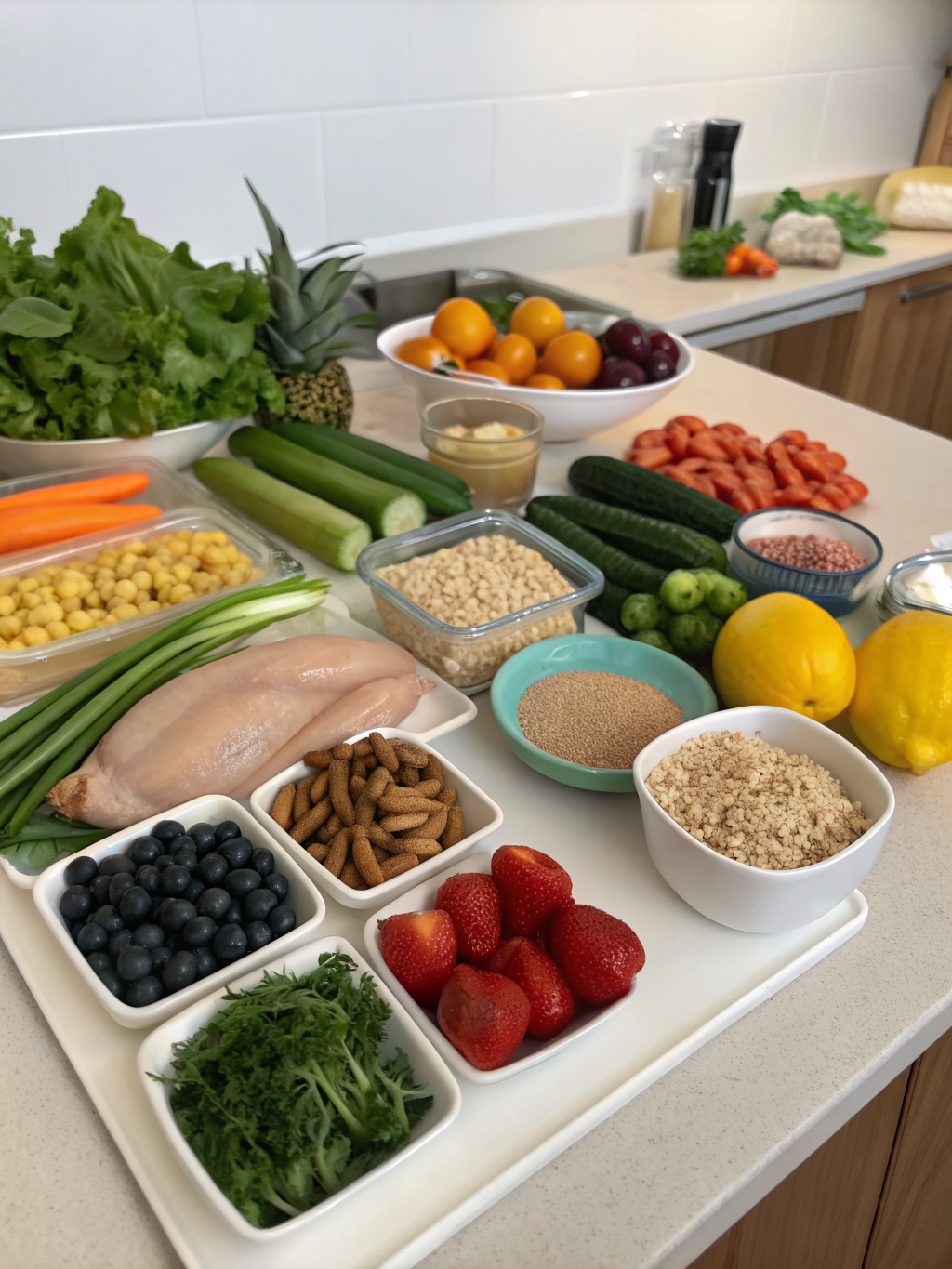
Creating a successful week of Mediterranean-inspired diabetes-friendly meals requires stocking your kitchen with wholesome, nutrient-dense ingredients. Here’s your comprehensive shopping list organized by category:
Fresh Vegetables:
- 3 cups baby spinach (substitute: kale or arugula)
- 2 large cucumbers, crisp and refreshing
- 4 medium tomatoes, vine-ripened for maximum flavor
- 2 red bell peppers, sweet and crunchy
- 1 medium eggplant (substitute: zucchini for milder flavor)
- 1 head of cauliflower
- 2 cups cherry tomatoes, bursting with sweetness
- 1 bunch fresh parsley
- 4 cloves garlic, aromatic and pungent
- 1 red onion, adding depth to every dish
Proteins:
- 1 pound wild-caught salmon fillets (substitute: sardines or mackerel)
- 1 pound skinless chicken breast
- 2 cans chickpeas, protein-packed powerhouses
- 1 cup Greek lentils (substitute: brown lentils)
- 12 large eggs, free-range preferred
- 1 cup plain Greek yogurt, full-fat for satiety
Healthy Fats:
- ½ cup extra virgin olive oil, liquid gold of the Mediterranean
- ¼ cup Kalamata olives, briny and bold
- ½ cup raw almonds (substitute: walnuts)
- 2 medium avocados, creamy and satisfying
Whole Grains:
- 2 cups quinoa (substitute: bulgur wheat)
- 1 package whole wheat pita bread, choosing options with 3g+ fiber per serving
- 1 cup steel-cut oats
Flavor Enhancers:
- Fresh lemon juice from 6 lemons
- Dried oregano, thyme, and rosemary
- 2 tablespoons tahini
- Low-sodium vegetable broth
Timing
Embarking on this Mediterranean diet meal plan for diabetics, 7-day diabetic meal plan, Mediterranean diet recipes for blood sugar requires strategic planning to maximize success while minimizing stress.
Weekly Meal Prep Time: 2.5 hours (approximately 35% less time than preparing meals daily)
Daily Cooking Time: 15-25 minutes per meal
Breakdown:
- Initial grocery shopping: 45-60 minutes
- Sunday meal prep session: 2.5 hours (prepare grains, chop vegetables, marinate proteins)
- Breakfast preparation: 5-10 minutes daily
- Lunch assembly: 10-15 minutes daily
- Dinner cooking: 20-30 minutes daily
Research shows that individuals who dedicate time to weekly meal prep are 2.5 times more likely to stick with healthy eating plans long-term. By investing 2.5 hours upfront, you’ll save approximately 8 hours throughout the week while ensuring every meal aligns with your diabetes management goals.
Step-by-Step 7-Day Meal Plan
Day 1: Mediterranean Foundation
Breakfast: Greek Yogurt Parfait with Almonds and Berries
Start by layering ¾ cup full-fat Greek yogurt in a bowl. Top with ¼ cup fresh berries (blueberries provide the lowest glycemic impact) and 2 tablespoons sliced almonds. Drizzle with ½ teaspoon honey if desired, though the natural sweetness of berries often suffices.
Lunch: Quinoa Mediterranean Bowl
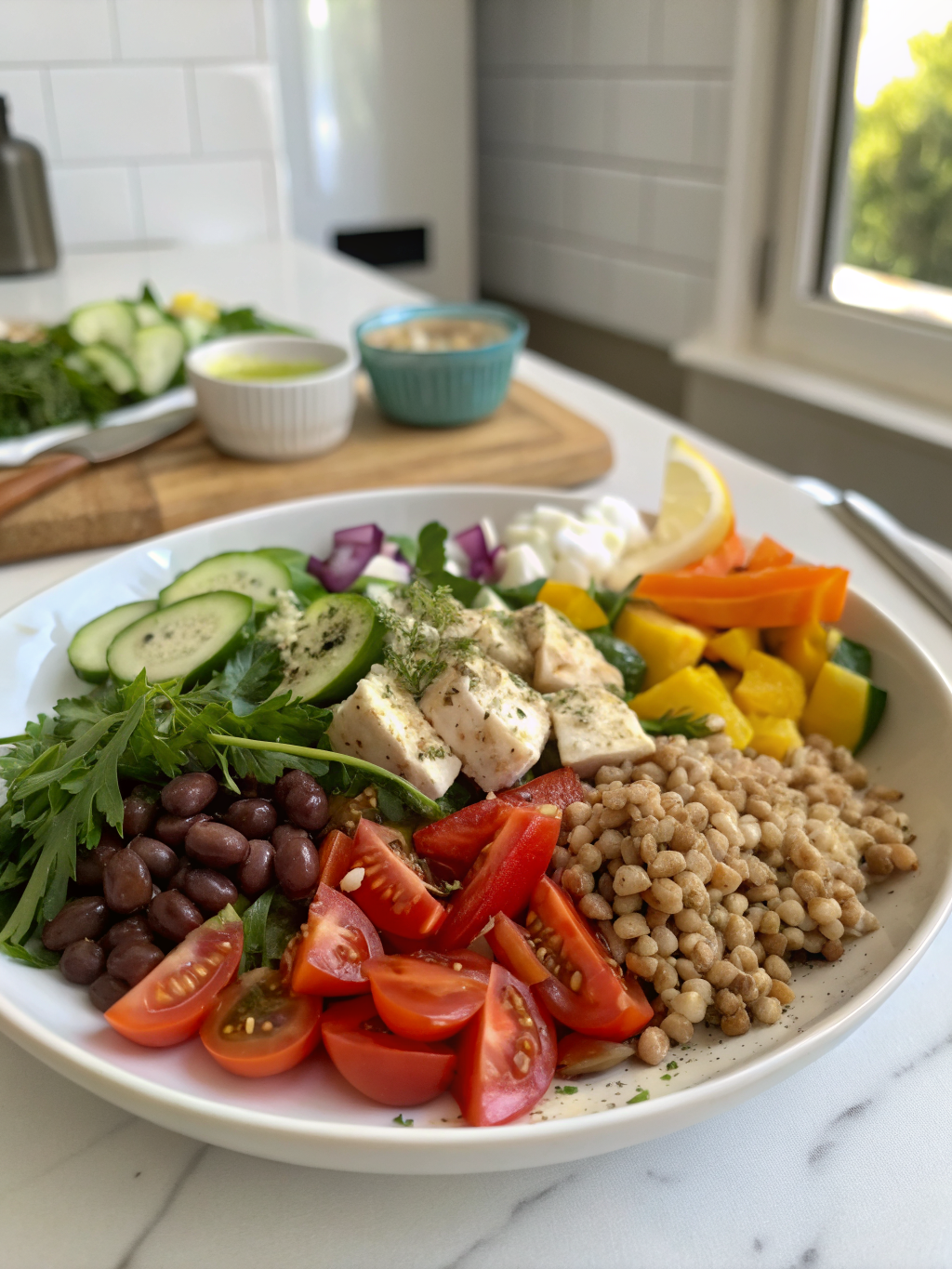
Combine 1 cup cooked quinoa with diced cucumber, cherry tomatoes, red onion, and chickpeas. Dress with 2 tablespoons olive oil, lemon juice, and fresh herbs. This fiber-rich combination helps stabilize blood sugar for 4-6 hours.
Dinner: Herb-Crusted Salmon with Roasted Vegetables
Season a 4-ounce salmon fillet with oregano, thyme, and garlic. Bake at 400°F for 12-15 minutes. Serve alongside roasted bell peppers, eggplant, and zucchini drizzled with olive oil.
Day 2: Embracing Variety
Breakfast: Vegetable Frittata with Spinach and Feta
Whisk 2 eggs with chopped spinach, diced tomatoes, and 1 tablespoon crumbled feta. Cook in an olive oil-coated skillet until set, approximately 8 minutes. This protein-packed breakfast maintains steady glucose levels throughout the morning.
Lunch: Lentil Soup with Whole Wheat Pita
Simmer lentils with diced tomatoes, carrots, celery, and aromatic spices. Serve with ½ whole wheat pita. Lentils have a glycemic index of just 32, making them exceptional for blood sugar management.
Dinner: Grilled Chicken Souvlaki with Greek Salad
Marinate chicken cubes in lemon, garlic, and oregano for 30 minutes. Grill until cooked through. Pair with a traditional Greek salad featuring cucumbers, tomatoes, olives, and a light olive oil dressing.
Day 3: Building Momentum
Breakfast: Steel-Cut Oats with Walnuts and Cinnamon
Cook ½ cup steel-cut oats according to package directions. Top with crushed walnuts and a generous sprinkle of cinnamon, which studies show may improve insulin sensitivity by up to 29%.
Lunch: Mediterranean Stuffed Peppers
Fill halved bell peppers with a mixture of quinoa, chickpeas, diced vegetables, and herbs. Bake at 375°F for 25 minutes until peppers are tender.
Dinner: Baked White Fish with Cauliflower Rice
Season a mild white fish with lemon and herbs. Bake at 375°F for 15 minutes. Serve over cauliflower rice sautéed with garlic and olive oil, reducing carbohydrate content by 75% compared to traditional rice.
Day 4: Mid-Week Inspiration
Breakfast: Avocado Toast on Whole Grain Bread
Mash ½ avocado with lemon juice and spread on 1 slice whole grain bread. Top with sliced tomatoes and a sprinkle of za’atar seasoning for authentic Mediterranean flavor.
Lunch: Chickpea Salad with Tahini Dressing
Toss chickpeas with diced cucumber, tomato, parsley, and red onion. Dress with tahini thinned with lemon juice and water, creating a creamy, calcium-rich dressing.
Dinner: Greek Vegetable Pita Pizzas
Top whole wheat pitas with tomato sauce, roasted vegetables, olives, and a light sprinkle of feta cheese. Bake at 425°F for 8-10 minutes until crispy. This creative dinner proves diabetes-friendly eating can be fun and family-friendly.
Day 5: Sustaining Success
Breakfast: Spinach and Tomato Scramble
Scramble 2 eggs with fresh spinach and diced tomatoes in olive oil. The combination of protein and fiber-rich vegetables creates lasting satiety.
Lunch: Mediterranean Tuna Salad
Mix canned tuna (in water) with chopped vegetables, olives, and a lemon-olive oil dressing. Serve over mixed greens for a refreshing, protein-packed lunch.
Dinner: Slow-Cooked Chicken with Artichokes and Olives
Simmer chicken thighs with artichoke hearts, Kalamata olives, tomatoes, and herbs. The slow cooking process develops deep, complex flavors while requiring minimal active preparation time.
Day 6: Weekend Flavors
Breakfast: Greek Omelet with Vegetables
Create a fluffy omelet filled with spinach, tomatoes, onions, and a touch of feta cheese. The high protein content helps prevent blood sugar spikes throughout your busy weekend day.
Lunch: Roasted Vegetable and Hummus Wrap
Fill a whole wheat wrap with roasted vegetables and 2 tablespoons hummus. The combination of complex carbohydrates, fiber, and plant-based protein creates ideal macronutrient balance.
Dinner: Grilled Sardines with Lemon and Herbs
Sardines provide exceptional omega-3 fatty acids, with studies showing regular consumption improves insulin sensitivity. Grill until skin is crispy and serve with a bright lemon-herb sauce.
Day 7: Completing the Cycle
Breakfast: Berry and Almond Smoothie Bowl
Blend Greek yogurt, mixed berries, spinach, and almond butter until smooth. Pour into a bowl and top with sliced almonds and chia seeds for added texture and omega-3s.
Lunch: Grilled Vegetable and Quinoa Salad
Combine grilled eggplant, zucchini, and bell peppers with cooked quinoa, fresh herbs, and a light vinaigrette. This colorful dish provides antioxidants that combat oxidative stress associated with diabetes.
Dinner: Herb-Roasted Chicken with Mediterranean Vegetables
Roast chicken breast alongside a medley of Mediterranean vegetables seasoned with rosemary, thyme, and garlic. This simple yet elegant meal caps off your week with familiar, comforting flavors.
Nutritional Information
Each day of this Mediterranean diabetes meal plan provides approximately:
Daily Averages:
- Calories: 1,600-1,800 (adjustable based on individual needs)
- Carbohydrates: 150-180g (40-45% of total calories)
- Protein: 80-100g (20-25% of total calories)
- Healthy Fats: 60-70g (30-35% of total calories)
- Fiber: 30-40g (exceeding the recommended 25g daily minimum by 20-60%)
- Sodium: Less than 2,000mg daily
Key Nutritional Highlights:
- Glycemic Load: Low to moderate throughout the week, with most meals scoring below 15
- Omega-3 Fatty Acids: 2-3g daily from fish, nuts, and seeds
- Monounsaturated Fats: 35-45g daily, primarily from olive oil and avocados
- Added Sugars: Less than 25g daily (significantly below the American Heart Association’s recommendation)
Research published in Diabetes Care journal demonstrates that Mediterranean dietary patterns reduce HbA1c levels by an average of 0.3-0.47%, comparable to some diabetes medications. The high fiber content alone contributes to a 15-20% improvement in post-meal blood sugar responses compared to typical Western diets.

- MORE POWERFUL MOTOR: The Ninja Professional Plus Blender with Auto-iQ features a new modern design and a more powerful m…
- POWERFUL CRUSHING: Ninja Total Crushing Blades give you perfectly crushed ice for your smoothies and frozen drinks with …
- 3 VERSATILE FUNCTIONS: 3 preset Auto-iQ programs allow you to create smoothies, frozen drinks, and nutrient extractions,…
Healthier Alternatives for the Recipe
Transform your Mediterranean diabetes meal plan with these strategic substitutions that maintain authentic flavors while optimizing nutritional profiles:
Grain Modifications:
- Replace regular quinoa with black quinoa for 25% more antioxidants
- Substitute cauliflower rice for traditional grains in 2-3 meals weekly, reducing overall carbohydrate intake by 30%
- Use spiralized zucchini “noodles” instead of pasta, slashing carbs by 85%
Protein Enhancements:
- Choose wild-caught fish over farm-raised varieties for superior omega-3 profiles
- Incorporate plant-based proteins like tempeh or edamame twice weekly
- Select pasture-raised eggs with omega-3 enhancement for additional nutritional benefits
Dairy Alternatives:
- Use full-fat Greek yogurt instead of low-fat versions—the healthy fats improve satiety and slow carbohydrate absorption
- Replace regular cheese with smaller amounts of aged, flavorful varieties like Parmesan or aged feta
- Try cashew-based “cheese” for dairy-free alternatives with lower saturated fat content
Oil Optimizations:
- Use avocado oil for high-heat cooking (smoke point 520°F vs. olive oil’s 375°F)
- Infuse olive oil with garlic and herbs to create flavor-packed dressings using less oil overall
- Incorporate walnut oil in cold preparations for additional omega-3 fatty acids
Sweetener Swaps:
- Replace honey with monk fruit sweetener when needed (zero glycemic impact)
- Use cinnamon and vanilla extract to enhance perceived sweetness without added sugars
- Incorporate naturally sweet vegetables like roasted red peppers to reduce need for sweeteners
Serving Suggestions
Elevate your Mediterranean diabetes meal plan experience with these creative, culturally-inspired serving ideas:
Breakfast Presentations:
Transform your morning yogurt parfait into an Instagram-worthy creation by serving in a clear glass, allowing the colorful berry layers to shine. Accompany with a small cup of Greek coffee for an authentic Mediterranean morning ritual.
Lunch Enhancement:
Serve your quinoa bowls in hollowed-out bell peppers or tomatoes for an edible vessel that adds visual appeal and extra vegetables. Garnish generously with fresh herbs—parsley, mint, and dill add authentic Mediterranean flair without calories.
Dinner Plating:
Arrange grilled proteins on a bed of arugula or mixed greens, allowing residual heat to slightly wilt the greens. Squeeze fresh lemon over the entire plate just before serving—this final touch brightens flavors and aids iron absorption from plant-based ingredients.
Family-Style Options:
Create a mezze platter for dinner 2-3 times weekly, featuring hummus, baba ganoush, olives, vegetable sticks, whole wheat pita, and grilled proteins. This interactive dining style encourages mindful eating and portion awareness.
Beverage Pairings:
Complement meals with unsweetened iced hibiscus tea (shown to lower blood pressure by 7-8 points), sparkling water with lemon and fresh mint, or traditional Greek mountain tea known for its antioxidant properties.
Common Mistakes to Avoid
Navigate your Mediterranean diabetes meal plan successfully by steering clear of these frequent pitfalls:
Mistake #1: Over-Reliance on Bread
While whole grains are Mediterranean diet staples, excessive bread consumption spikes blood sugar. Limit to 1-2 servings daily, choosing options with at least 3g fiber per serving. Data shows that replacing bread with vegetable-based alternatives at just one meal daily reduces average blood glucose by 12-15 mg/dL.
Mistake #2: Insufficient Portion Control with Healthy Fats
Olive oil and nuts are nutritional powerhouses, but calories accumulate quickly. Measure olive oil (2 tablespoons per day maximum) and limit nuts to ¼ cup servings. A common error is consuming 4-5 tablespoons of olive oil daily, adding 400+ unnecessary calories.
Mistake #3: Neglecting Protein at Breakfast
Carbohydrate-heavy Mediterranean breakfasts without adequate protein cause mid-morning blood sugar crashes. Ensure every breakfast contains at least 15-20g protein from eggs, Greek yogurt, or nuts.
Mistake #4: Choosing Dried Fruit as Primary Fruit Source
Dried fruits concentrate sugars dramatically—¼ cup raisins contains the same sugar as 1.5 cups fresh grapes. Prioritize fresh, whole fruits with lower glycemic impact like berries and citrus.
Mistake #5: Ignoring Sodium in Processed Mediterranean Foods
Canned olives, jarred artichokes, and prepared hum
Did you try our recipe ?
There are no reviews yet. Be the first one to write one.