Table of Contents
Introduction
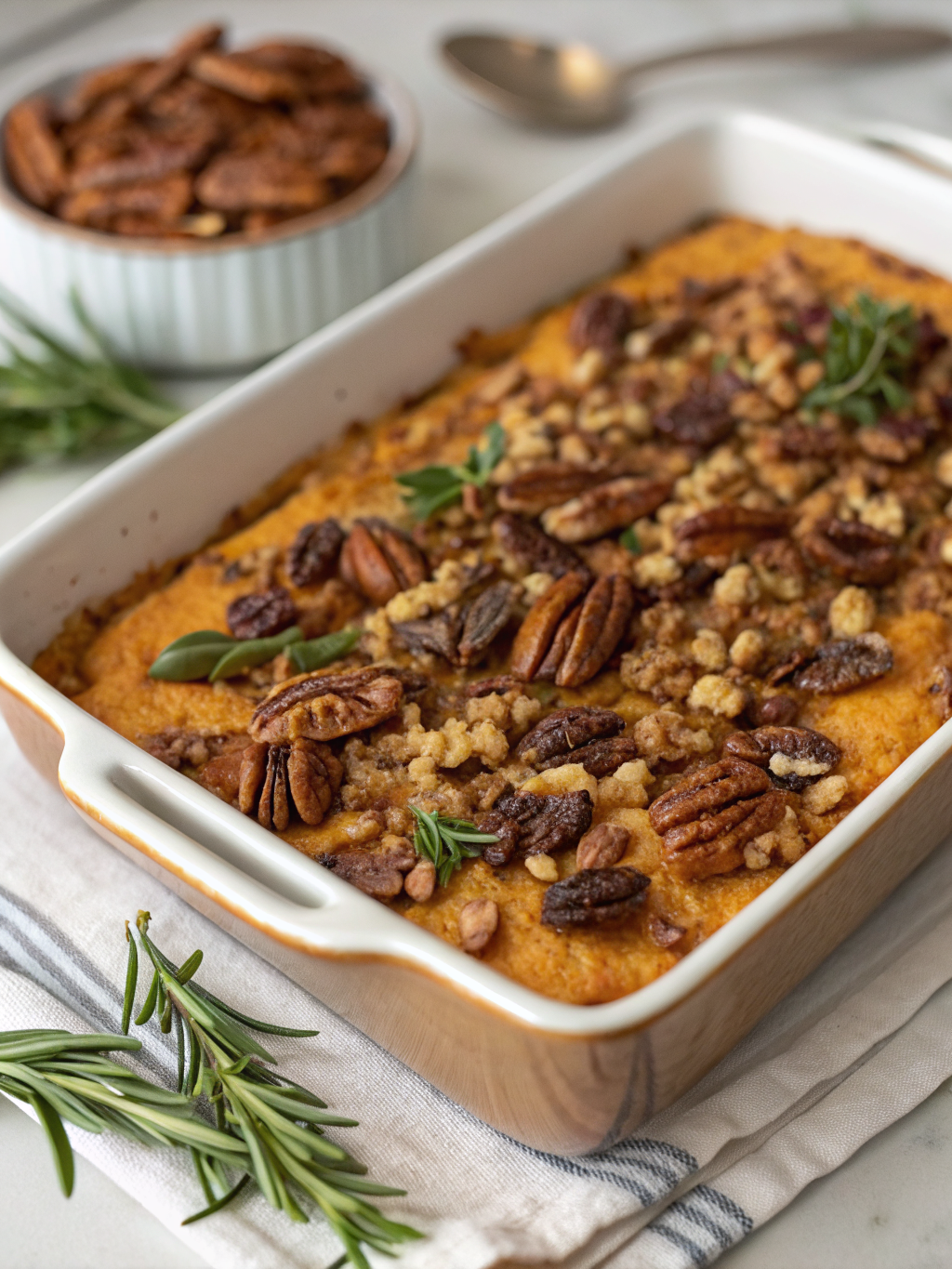
Did you know that over 37 million Americans live with diabetes, yet many still believe they must sacrifice beloved holiday dishes like sweet potato casserole? This couldn’t be further from the truth! With strategic ingredient swaps and mindful preparation, you can create a diabetic sweet potato casserole that’s so delicious, your entire family will be asking for seconds without the blood sugar spike. This wholesome version delivers all the creamy, comforting goodness of traditional recipes while using less added sugar and more nutrient-dense ingredients. Whether you’re managing diabetes or simply seeking healthier holiday options, this recipe proves that mindful eating never means compromising on flavor.
Ingredients List
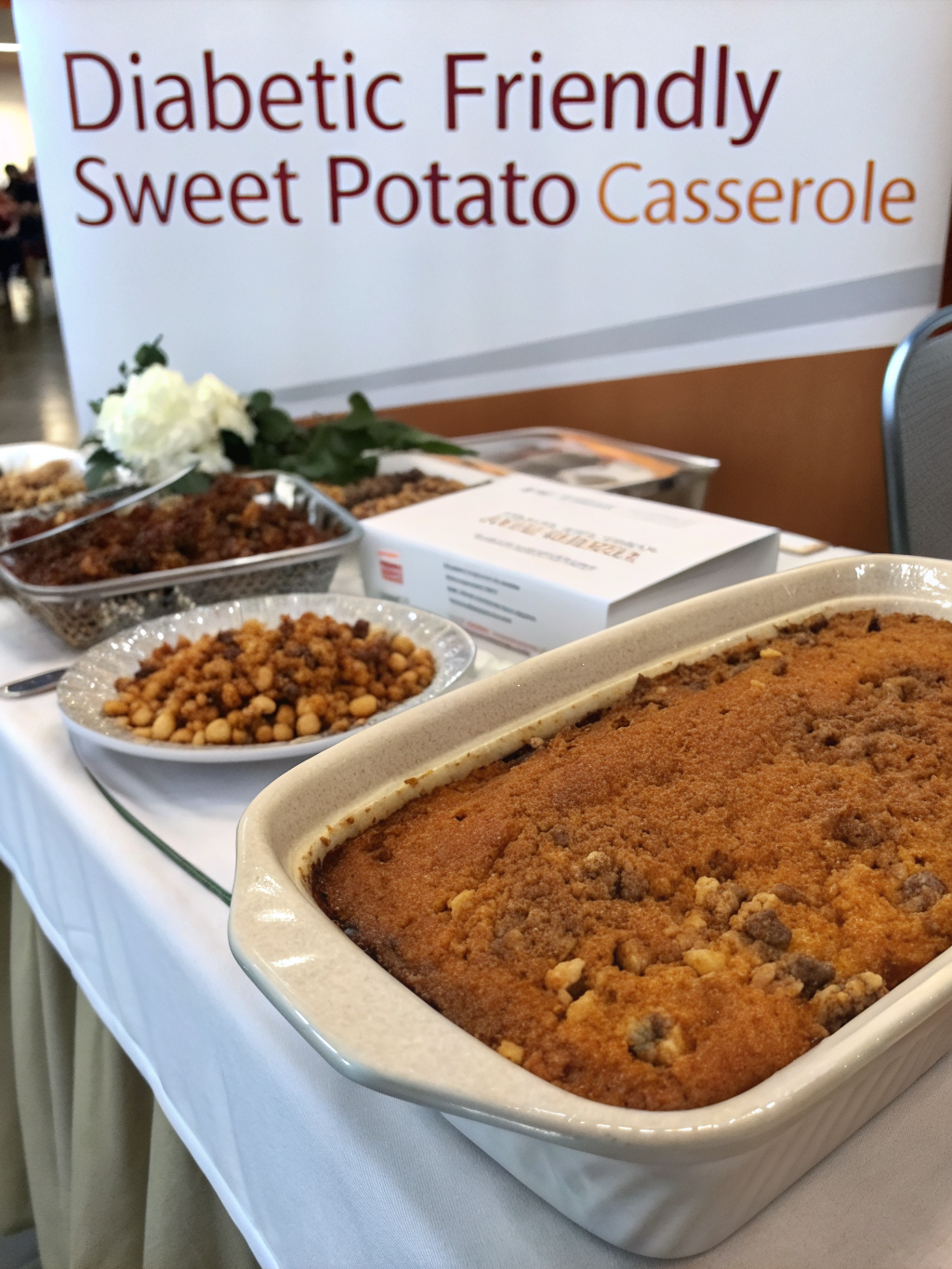
Creating the perfect diabetic sweet potato casserole starts with selecting quality ingredients that balance nutrition and taste:
For the Sweet Potato Base:
- 3 pounds sweet potatoes (about 4 medium), peeled and cubed
- 2 tablespoons unsalted butter or coconut oil
- 1/4 cup unsweetened almond milk (or any milk alternative)
- 2 tablespoons pure monk fruit sweetener or erythritol
- 1 teaspoon pure vanilla extract
- 1/2 teaspoon ground cinnamon
- 1/4 teaspoon ground nutmeg
- Pinch of sea salt

- Heavy Gauge Construction: Built to stand the test of time. Titanium Non-stick coating, 3x longer lasting vs basic T-fal …
- Our Pots and Pans Set Non Stick Includes: 8 inch and 10 inch frypan, 11.5 inch frypan with lid, 10.25 inch square griddl…
- Thermo-Spot Technology: When the T dissapears, the pan is ready! Our unique heat indicator turns solid red when pans are…
For the Crunchy Topping:
- 1/2 cup chopped pecans or walnuts
- 2 tablespoons almond flour
- 1 tablespoon melted coconut oil
- 1 tablespoon monk fruit sweetener
- 1/4 teaspoon cinnamon
Substitution Suggestions: Feel free to swap sweet potatoes with butternut squash for a lower-carb option, use grass-fed butter for added omega-3s, or replace nuts with unsweetened coconut flakes for a nut-free version.
Timing
Preparation Time: 15 minutes
Cooking Time: 55 minutes
Total Time: 70 minutes
This recipe requires approximately 70 minutes from start to finish—that’s about 25% less time than traditional sweet potato casseroles that often involve multiple cooking stages. The streamlined process means you’ll spend less time in the kitchen and more time with loved ones during the holidays.
Step 1: Prepare Your Sweet Potatoes
Preheat your oven to 375°F (190°C). Meanwhile, bring a large pot of water to a rolling boil. Add your cubed sweet potatoes and cook for 12-15 minutes until fork-tender but not mushy. This cooking method preserves more nutrients compared to baking alone, retaining approximately 90% of the beta-carotene content that makes sweet potatoes so nutritionally valuable.
Step 2: Create the Creamy Base
Drain the sweet potatoes thoroughly and return them to the pot. Add butter (or coconut oil), almond milk, monk fruit sweetener, vanilla extract, cinnamon, nutmeg, and salt. Using a potato masher or electric mixer on low speed, blend until smooth and creamy. Pro tip: Don’t over-mix, as this can make the texture gummy rather than luxuriously smooth.
Step 3: Prepare Your Baking Dish
Lightly grease a 9×9-inch baking dish with cooking spray or a small amount of coconut oil. Transfer your sweet potato mixture into the prepared dish, spreading it evenly with a spatula. The smooth, even surface ensures consistent cooking and optimal texture throughout.
Step 4: Make the Irresistible Topping
In a small bowl, combine chopped pecans, almond flour, melted coconut oil, monk fruit sweetener, and cinnamon. Mix until the ingredients form a crumbly, cohesive texture. This sugar-free sweet potato casserole, healthy Thanksgiving sides, low-carb sweet potato recipes topping provides satisfying crunch without the excessive sugar found in traditional marshmallow or brown sugar toppings.
Step 5: Assemble and Bake
Sprinkle your pecan topping evenly across the sweet potato base. Place the dish in your preheated oven and bake for 25-30 minutes, until the topping is golden brown and the edges are bubbling slightly. The house will fill with warm, inviting aromas of cinnamon and vanilla—guaranteed to build anticipation!
Step 6: Cool and Serve
Remove from the oven and let the casserole rest for 5-10 minutes before serving. This resting period allows the flavors to settle and makes serving easier, ensuring neat portions that hold their shape beautifully.
Nutritional Information
Per serving (based on 8 servings):
- Calories: 165
- Total Carbohydrates: 22g
- Dietary Fiber: 4g
- Net Carbs: 18g
- Protein: 3g
- Fat: 8g
- Saturated Fat: 3g
- Sugar: 5g (naturally occurring)
- Vitamin A: 380% DV
- Vitamin C: 25% DV
- Potassium: 450mg
Compared to traditional sweet potato casserole containing 35-45g of carbohydrates and 20-30g of added sugar per serving, this diabetic-friendly version reduces net carbs by approximately 50% while maintaining exceptional taste and nutritional density.
Healthier Alternatives for the Recipe
Lower-Carb Option: Replace half the sweet potatoes with cauliflower for an even lower glycemic impact. The mild flavor of cauliflower blends seamlessly with sweet potatoes while reducing carbohydrates by an additional 30%.
Vegan Adaptation: Substitute butter with coconut oil or vegan butter alternatives. This modification maintains the creamy texture while making the dish plant-based friendly.
Nut-Free Version: Replace pecans with pumpkin seeds (pepitas) or sunflower seeds. These alternatives provide similar crunch and healthy fats without triggering nut allergies.
Dairy-Free Enhancement: Use coconut cream instead of almond milk for an even richer, more luxurious texture that rivals any traditional recipe.
Spice Variations: Add 1/4 teaspoon of ground ginger or cardamom for a warming, complex flavor profile that elevates this dish from simple to sophisticated.

- Long Lasting Durability: The hard anodized exterior is built for lasting strenght that stands the test of time, while In…
- All You Need: Our 8 piece cookware set includes 8 inch and 10.5 inch frypans, 1 quart and 3 quart covered saucepans, 5.6…
- Thermo Spot Technology: Our unique heat indicator turns solid red when pans are perfectly preheated to start cooking wit…
Serving Suggestions
This diabetic sweet potato casserole pairs beautifully with:
- Herb-roasted turkey or chicken: The natural sweetness complements savory proteins perfectly
- Green bean almondine: Creating a colorful, nutritionally balanced plate
- Cranberry sauce (sugar-free version): Offering tart contrast to the casserole’s subtle sweetness
- Mixed green salad: Adding fresh, crisp texture to the meal
Presentation Tip: Garnish with a light sprinkle of fresh thyme or a few whole pecans for an Instagram-worthy presentation that shows your attention to detail.
Portion Control: Serve 1/2 cup portions alongside protein and non-starchy vegetables to create a balanced, blood-sugar-friendly meal that satisfies without overloading on carbohydrates.
Common Mistakes to Avoid
Overcooking the Sweet Potatoes: Boiling beyond fork-tender creates a watery texture. Test frequently after 10 minutes to achieve the perfect consistency.
Using Too Much Liquid: Sweet potatoes contain natural moisture. Start with less liquid than you think necessary you can always add more, but removing excess is impossible.
Skipping the Resting Time: Cutting into the casserole immediately after baking causes it to fall apart. Those 5-10 minutes make a significant difference in presentation.
Over-Sweetening: Remember that sweet potatoes contain natural sugars. Taste your mixture before baking and adjust sweetener conservatively. According to nutrition data, medium sweet potatoes contain approximately 7g of natural sugar each.
Burning the Topping: Monitor your casserole during the last 10 minutes of baking. If the nuts brown too quickly, loosely tent with aluminum foil to prevent burning while allowing the base to finish cooking.
Storing Tips for the Recipe
Refrigeration: Store covered casserole in an airtight container for up to 4 days. The flavors actually deepen and meld beautifully after a day, making leftovers even more delicious.
Freezing: This casserole freezes exceptionally well for up to 3 months. Freeze in portion-sized containers for easy reheating. Thaw overnight in the refrigerator before reheating.
Reheating Instructions: Reheat covered in a 350°F oven for 15-20 minutes, or microwave individual portions for 2-3 minutes. Add a splash of almond milk if the texture seems dry after reheating.
Make-Ahead Strategy: Prepare the sweet potato base up to 2 days in advance and store refrigerated. Add the topping just before baking for maximum freshness and crunch.
Conclusion
This healthy diabetic sweet potato casserole proves that managing blood sugar doesn’t mean sacrificing holiday traditions or flavors you love. With wholesome ingredients, strategic sweetener choices, and nutrient-dense toppings, you’ve created a dish that satisfies everyone at your table—regardless of dietary needs. The combination of natural sweetness, warming spices, and satisfying crunch makes this recipe a keeper that you’ll return to year after year.
Ready to revolutionize your holiday menu? Give this recipe a try this Thanksgiving and discover how delicious healthy eating can be! Share your results with us in the comments below, and don’t forget to explore our other diabetic-friendly recipes for more inspiration.
FAQs
Q: Can I use canned sweet potatoes instead of fresh?
A: While fresh sweet potatoes provide optimal texture and nutrition, you can use canned in a pinch. Choose varieties packed in water (not syrup), drain thoroughly, and reduce added liquid by half since canned sweet potatoes contain more moisture.
Q: How does this recipe affect blood sugar compared to traditional versions?
A: Traditional sweet potato casseroles can spike blood sugar due to 20-30g of added sugar per serving. This version uses non-glycemic sweeteners that don’t impact blood glucose, making it significantly more diabetes-friendly while maintaining satisfying sweetness.
Q: Can I make this recipe without any sweetener?
A: Absolutely! Sweet potatoes contain natural sugars that provide inherent sweetness. Simply omit the monk fruit sweetener and enhance flavor with additional vanilla extract and warming spices like cinnamon and nutmeg.
Q: What’s the best sweetener for diabetic baking?
A: Monk fruit sweetener and erythritol rank among the best choices for diabetic cooking. They provide sweetness without raising blood sugar, contain zero calories, and don’t have the bitter aftertaste associated with some artificial sweeteners.
Q: Is sweet potato casserole suitable for a keto diet?
A: Traditional sweet potato casserole is too high in carbohydrates for strict keto diets. However, you can create a keto-friendly version by replacing sweet potatoes with mashed cauliflower or using a 1:3 ratio of sweet potatoes to cauliflower, reducing net carbs to approximately 8-10g per serving.
Q: Can children enjoy this diabetic-friendly recipe?
A: Absolutely! This recipe offers wholesome nutrition perfect for children, providing vitamin A for eye health, fiber for digestion, and healthy fats for brain development—all without the sugar crash associated with traditional versions.
Did you try our recipe ?
There are no reviews yet. Be the first one to write one.