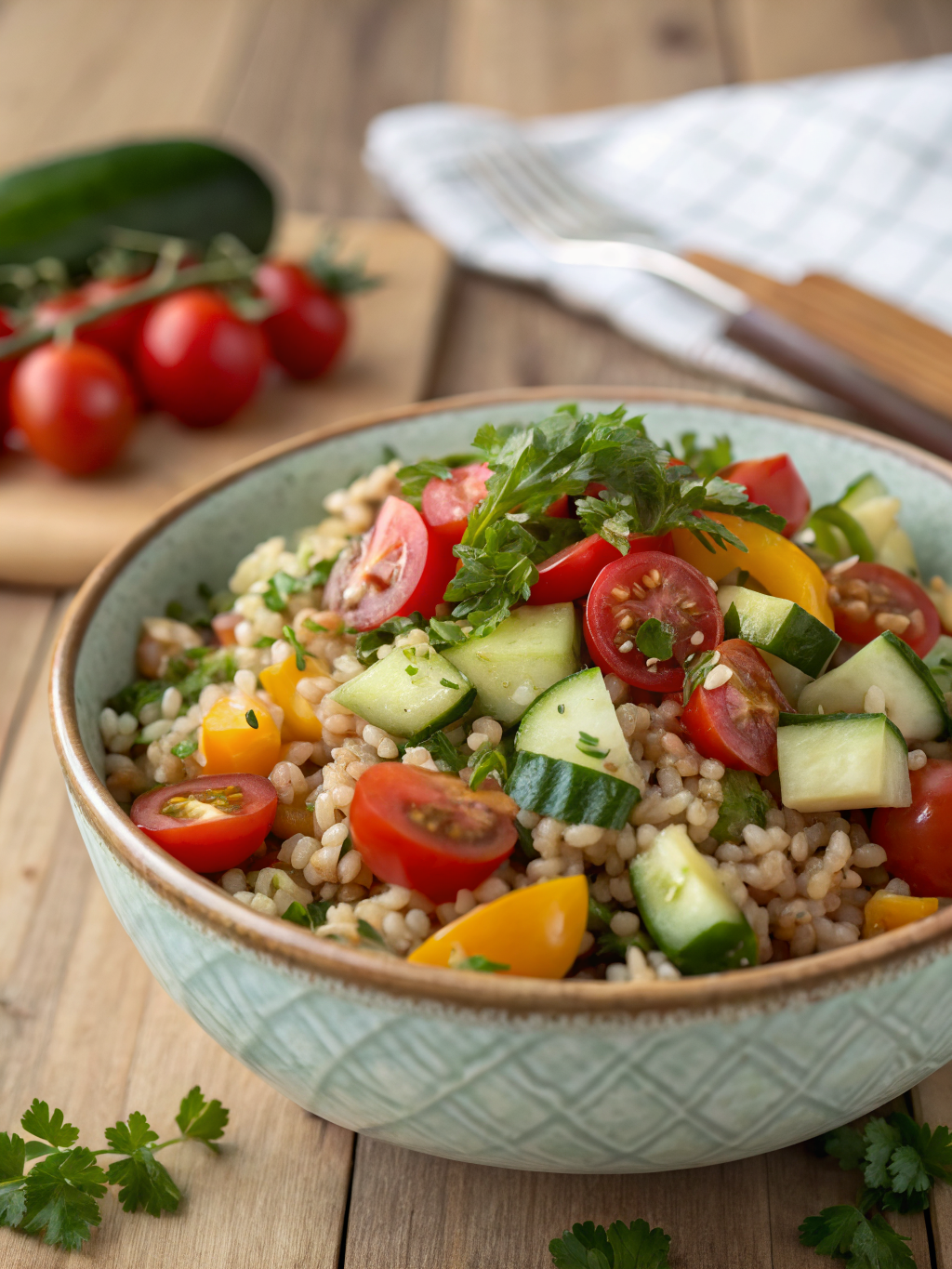
Table of Contents
Recommended Rice

- AUTHENTIC FLAVOR: Long and fluffy, naturally aromatic, long grain Basmati rice; Aged for non-sticky texture and sweet fl…
- NATURALLY SOURCED: Aged Basmati rice is sourced from local growers in Himalayan regions renowned for producing the fines…
- VERSATILE WHITE RICE: Great long grain white rice for Indian food or Mexican food dishes; Add to curry, rice pilaf, stir…
Introduction
Did you know that replacing white rice with brown rice in just one meal per day can reduce your risk of type 2 diabetes by up to 16%? This powerful statistic from a Harvard study challenges the common belief that all rice dishes should be off-limits for those managing blood sugar levels. Enter the brown rice salad a nutrient-dense, fiber-rich meal that proves healthy eating doesn’t mean sacrificing flavor or satisfaction. This vibrant dish combines the nutty goodness of whole grains with crisp vegetables, creating a Mediterranean-inspired masterpiece that’s perfect for meal prep, quick lunches, or light dinners. Whether you’re managing diabetes, seeking heart-healthy options, or simply looking to add more plant-based meals to your rotation, this recipe delivers exceptional taste alongside impressive nutritional benefits.
Ingredients List
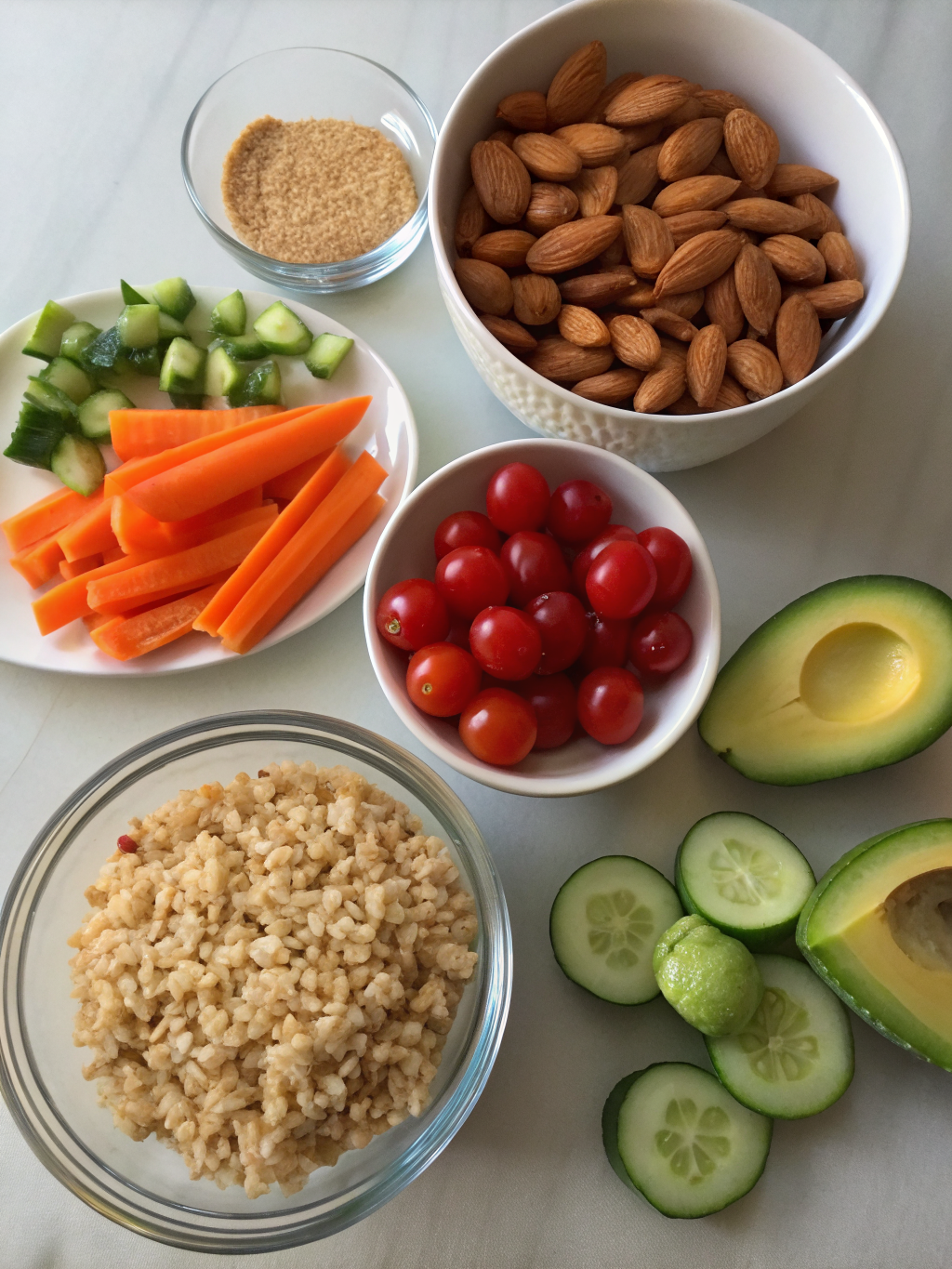
brown rice salad
Gathering your ingredients for this healthy brown rice salad is the first step toward culinary success. Here’s what you’ll need:
Base Ingredients:
- 1 cup uncooked brown rice (yields approximately 3 cups cooked)
- 2 ½ cups water or low-sodium vegetable broth for enhanced flavor
Fresh Vegetables:
- 1 cup cherry tomatoes, halved (bursting with lycopene and natural sweetness)
- 1 medium cucumber, diced (adds refreshing crunch)
- ½ red onion, finely chopped (provides a mild bite)
- 1 bell pepper (red, yellow, or orange), diced (rich in vitamin C)
- ½ cup fresh parsley, chopped (adds herbaceous brightness)
Protein & Texture:
- 1 can (15 oz) chickpeas, drained and rinsed (substitute with white beans or edamame)
- ¼ cup crumbled feta cheese (optional; use dairy-free alternative if preferred)
- 2 tablespoons toasted sunflower seeds or slivered almonds
Dressing:
- 3 tablespoons extra-virgin olive oil
- 2 tablespoons fresh lemon juice (about 1 lemon)
- 1 clove garlic, minced
- 1 teaspoon Dijon mustard
- ½ teaspoon dried oregano
- Salt and black pepper to taste
Optional Enhancements:
- Kalamata olives for Mediterranean flair
- Avocado slices for healthy fats
- Fresh mint for aromatic complexity
Timing
Preparation Time: 15 minutes
Cooking Time: 45 minutes
Total Time: 60 minutes (approximately 25% faster than traditional grain bowl recipes)
Servings: 6 generous portions
This efficient timeline makes the diabetic brown rice recipe perfect for Sunday meal prep, allowing you to prepare healthy lunches for the entire workweek in just one hour.
Step-by-Step Instructions
Step 1: Cook the Brown Rice Perfectly
Rinse 1 cup of brown rice under cold water using a fine-mesh strainer until the water runs clear this removes excess starch and prevents gumminess. Combine the rinsed rice with 2 ½ cups of water or broth in a medium saucepan. Bring to a boil over high heat, then reduce to low, cover tightly, and simmer for 40-45 minutes. Pro tip: Resist the urge to lift the lid during cooking, as this releases essential steam. Once tender, remove from heat and let stand covered for 10 minutes before fluffing with a fork.
Step 2: Prepare Your Vegetables
While your rice cooks, dice the cucumber, halve the cherry tomatoes, chop the bell pepper, and finely slice the red onion. This simultaneous preparation technique, called “mise en place,” saves considerable time and ensures your salad comes together seamlessly. Rinse and drain your chickpeas thoroughly, patting them dry with a paper towel to help them integrate better with the dressing.
Step 3: Toast Your Seeds or Nuts
Heat a small dry skillet over medium heat and add sunflower seeds or almonds. Toast for 3-4 minutes, stirring frequently, until golden and fragrant. This simple step intensifies the nutty flavor and adds delightful textural contrast to your high fiber rice salad.
Step 4: Create the Zesty Dressing
In a small bowl or jar, whisk together the olive oil, fresh lemon juice, minced garlic, Dijon mustard, oregano, salt, and pepper. The emulsified dressing should have a bright, tangy profile that complements the earthy brown rice. For best results, let the dressing sit for 5 minutes to allow the flavors to meld.
Step 5: Assemble Your Salad
Transfer the cooked and slightly cooled brown rice to a large mixing bowl. Add all chopped vegetables, chickpeas, and fresh parsley. Pour the dressing over the salad and toss gently but thoroughly, ensuring every grain is lightly coated. Fold in the crumbled feta cheese and toasted seeds just before serving to maintain their distinct textures.
Step 6: Chill and Serve
For optimal flavor development, refrigerate your Mediterranean brown rice salad for at least 30 minutes before serving. This chilling period allows the rice to absorb the dressing and the flavors to harmonize beautifully.
Recommended Rice
- AUTHENTIC FLAVOR: Long and fluffy, naturally aromatic, long grain Basmati rice; Aged for non-sticky texture and sweet fl…
- NATURALLY SOURCED: Aged Basmati rice is sourced from local growers in Himalayan regions renowned for producing the fines…
- VERSATILE WHITE RICE: Great long grain white rice for Indian food or Mexican food dishes; Add to curry, rice pilaf, stir…
Nutritional Information
Per serving (approximately 1 ½ cups):
- Calories: 285
- Total Carbohydrates: 42g
- Dietary Fiber: 7g (28% of daily value)
- Protein: 9g
- Total Fat: 9g
- Saturated Fat: 2g
- Sodium: 185mg
- Potassium: 380mg
- Vitamin C: 45% of daily value
- Iron: 12% of daily value
- Glycemic Index: Approximately 50 (low GI)
- Glycemic Load: 21 (moderate)
Research published in the American Journal of Clinical Nutrition demonstrates that meals with a glycemic load under 20 help maintain stable blood sugar levels, making this recipe exceptionally well-suited for diabetes management. The 7 grams of fiber per serving nearly 30% of your daily requirement supports digestive health and promotes sustained satiety.
Healthier Alternatives for the Recipe
Lower Carbohydrate Version: Replace half the brown rice with riced cauliflower to reduce carbohydrates by 40% while maintaining volume and satisfaction.
Increased Protein: Add grilled chicken breast, baked tofu, or hard-boiled eggs to boost protein content to 20+ grams per serving.
Oil-Free Option: Replace the olive oil dressing with a tahini-based alternative using 2 tablespoons tahini, 3 tablespoons lemon juice, 2 tablespoons water, and garlic.
Gluten-Sensitive Adaptation: This recipe is naturally gluten-free when using certified gluten-free grains and checking that your chickpeas haven’t been processed in facilities with gluten contamination.
Sodium Reduction: Skip the feta cheese and use fresh herbs generously to create flavor without added sodium, reducing total sodium to under 100mg per serving.
Vegan Transformation: Simply omit the feta cheese or substitute with nutritional yeast for a cheesy flavor profile with added B vitamins.
Serving Suggestions
This versatile dish shines in numerous contexts:
As a Complete Meal: Serve the salad as-is with a side of whole-grain pita or crackers for a satisfying lunch that provides balanced macronutrients.
Stuffed Vegetables: Use the mixture to fill hollowed bell peppers or tomatoes, then bake until the vegetables are tender for an elegant presentation.
Protein Bowl: Top the salad with grilled salmon, shrimp, or tempeh to create a restaurant-quality grain bowl at home.
Lettuce Wraps: Spoon the salad into crisp romaine or butter lettuce leaves for a low-carb, hand-held option perfect for picnics.
Mediterranean Platter: Serve alongside hummus, baba ganoush, tabbouleh, and fresh vegetables for a stunning mezze spread.
Temperature Versatility: While delicious chilled, this salad also tastes wonderful at room temperature, making it ideal for potlucks and outdoor gatherings.
Common Mistakes to Avoid
Overcooking the Rice: Brown rice should be tender yet slightly chewy. Overcooking creates a mushy texture that won’t hold up in salad form. Set a timer and test at 40 minutes.
Dressing Hot Rice: Always cool your rice to at least room temperature before adding dressing. Hot rice absorbs too much dressing and can wilt delicate vegetables.
Skipping the Rinsing Step: Unwashed brown rice carries excess starch that creates gluey clumps rather than separated, fluffy grains.
Under-Seasoning: Brown rice has a mild flavor that requires adequate seasoning. Taste your salad before serving and adjust salt, lemon, or herbs as needed.
Using Dull Vegetables: Choose the freshest, crispest vegetables available. Tired produce diminishes both flavor and nutritional value.
Neglecting Texture: The contrast between tender rice, crunchy vegetables, and toasted nuts creates sensory appeal. Don’t skip the toasting step.
Storing Improperly: Adding delicate ingredients like avocado or fresh greens too early causes premature wilting and discoloration.
Storing Tips for the Recipe
Refrigerator Storage: Store your salad in an airtight container for 4-5 days. The flavors actually improve over the first 24 hours as ingredients marinate together.
Meal Prep Strategy: Prepare components separately store cooked rice, chopped vegetables, and dressing in individual containers. Combine portions as needed throughout the week for maximum freshness.
Freezing Considerations: While the dressed salad doesn’t freeze well due to vegetable texture changes, you can freeze plain cooked brown rice for up to 3 months. Thaw overnight in the refrigerator before assembling your salad.
Preventing Sogginess: If preparing ahead, add cucumbers and tomatoes just before serving, as these vegetables release moisture over time.
Reviving Leftovers: If your salad seems dry after refrigeration, refresh it with a squeeze of lemon juice and a drizzle of olive oil.
Traveling with Salad: Pack dressing separately in a small container and toss just before eating to maintain optimal texture during transport.
Conclusion
This brown rice salad represents the perfect intersection of health, convenience, and delicious flavor. With its impressive fiber content, low glycemic impact, and nutrient-dense ingredients, it proves that managing blood sugar doesn’t require sacrificing culinary enjoyment. The Mediterranean-inspired combination of whole grains, colorful vegetables, and heart-healthy fats creates a meal that nourishes both body and palate. Whether you’re preparing lunch for the week, bringing a dish to share, or simply seeking a lighter dinner option, this recipe delivers consistent results with minimal effort. Ready to transform your meal routine? Prepare this vibrant salad today, share your creation with friends and family, and discover how wholesome eating can be both simple and satisfying. Don’t forget to leave a comment below sharing your favorite variations or tag us on social media with your beautiful bowl creations!

FAQs
Q: Can I use white rice instead of brown rice?
A: While possible, white rice significantly reduces the nutritional benefits. Brown rice contains 3-4 times more fiber and has a lower glycemic index, making it far superior for blood sugar management. If you must use white rice, consider mixing it with quinoa or wild rice to improve the nutritional profile.
Q: How can I make this salad more filling?
A: Increase the protein content by adding grilled chicken, hard-boiled eggs, tempeh, or additional legumes like black beans or lentils. You can also increase the serving size or pair it with a side of Greek yogurt for added satiety.
Q: Is this recipe suitable for weight loss?
A: Absolutely. At 285 calories per generous serving with 7 grams of fiber and 9 grams of protein, this salad promotes fullness while keeping calories moderate. The high fiber content slows digestion, helping you feel satisfied longer and reducing overall calorie intake throughout the day.
Q: Can I prepare this salad without cooking?
A: You’ll need to cook the brown rice, but consider batch-cooking rice on weekends to have it ready for quick assembly during busy weekdays. Many grocery stores also sell pre-cooked brown rice that can save time.
Q: What if I don’t like chickpeas?
A: Substitute with any legume you prefer white beans, black beans, edamame, or lentils all work beautifully. Each provides similar protein and fiber benefits while offering unique flavor profiles.
Q: How do I prevent my brown rice from being too hard or too soft?
A: The key is the water-to-rice ratio (2.5:1) and not disturbing the rice while cooking. If your rice is consistently too hard, add an extra ¼ cup of water next time. If it’s too soft, reduce water by ¼ cup and decrease cooking time by 5 minutes.
Q: Can children with diabetes eat this salad?
A: Yes, this recipe is appropriate for children managing diabetes, though portion sizes should be adjusted based on their individual meal plan and carbohydrate goals. Consult with their healthcare provider or registered dietitian for personalized guidance.
Q: Does this recipe work for Type 1 diabetes as well as Type 2?
A: This diabetic brown rice recipe works well for both Type 1 and Type 2 diabetes management. The high fiber content and low glycemic load help stabilize blood sugar regardless of diabetes type, though individuals with Type 1 will still need to calculate carbohydrates for insulin dosing.
Did you try our recipe ?
There are no reviews yet. Be the first one to write one.