Table of Contents
Introduction: Why Your Morning Meal Could Be Sabotaging Your Blood Sugar
Did you know that approximately 88 million American adults more than 1 in 3 have prediabetes, and nearly 84% don’t even know they have it? Your breakfast choices could be the silent culprit behind energy crashes, weight gain, and blood sugar spikes that set the tone for your entire day. The good news? Switching to low carb breakfast items can transform your mornings from a metabolic disaster into a powerhouse of sustained energy and stable glucose levels.
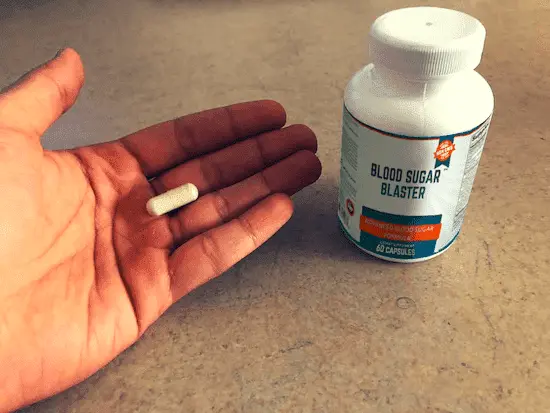
Blood Sugar Blaster Try it for 60 days to see if it makes a difference in your health. Click the button below to view order options.
Imagine starting your day with a meal that keeps you satisfied for hours, eliminates mid-morning cravings, and supports your weight management goals all while tasting absolutely delicious. That’s the promise of low-carb, high-protein breakfast options designed specifically for blood sugar control. In this comprehensive guide, you’ll discover easy-to-prepare recipes, expert tips, and science-backed strategies to revolutionize your breakfast routine and take control of your metabolic health.
Ingredients List
low carb breakfast items
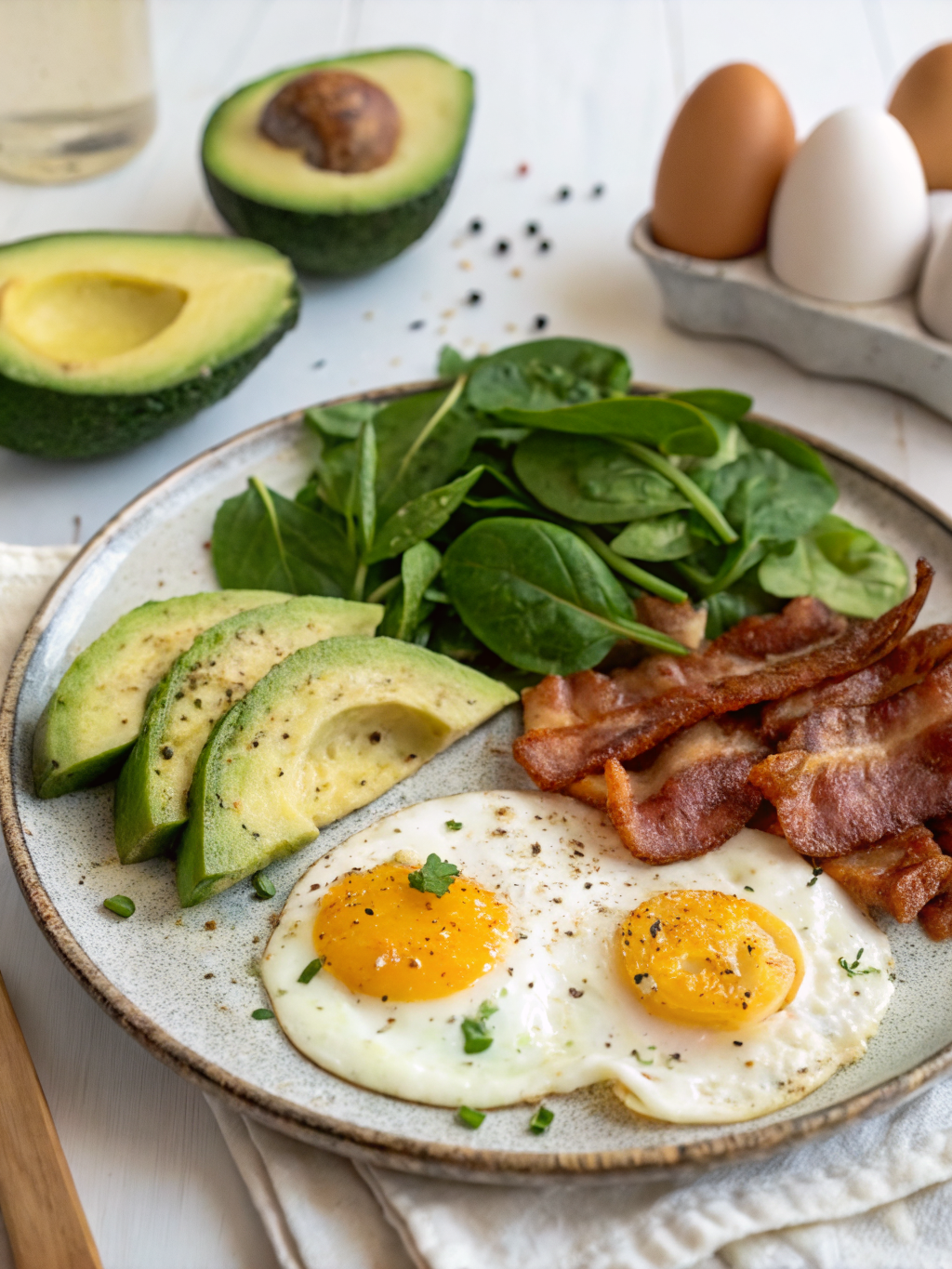
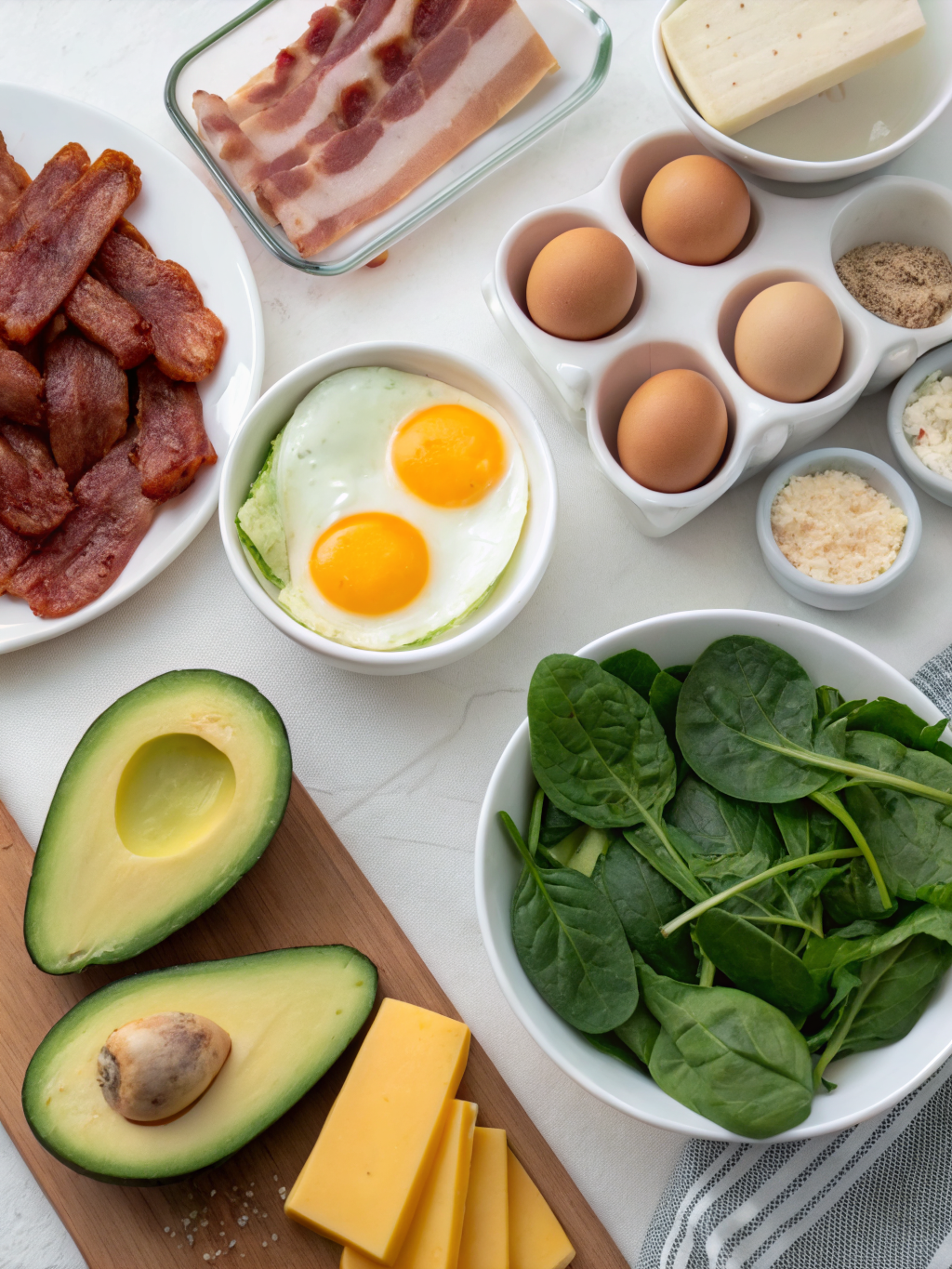
Creating the perfect low-carb breakfast requires thoughtful ingredient selection that balances nutrition, flavor, and blood sugar stability. Here’s what you’ll need for a versatile, diabetic-friendly morning meal:
Core Protein Components:
- 4 large eggs (or 1 cup liquid egg whites for lower calories)
- 1 cup full-fat Greek yogurt (unsweetened, or substitute with coconut yogurt for dairy-free)
- 4 oz smoked salmon or turkey sausage (chicken sausage works equally well)
Healthy Fats:
- 2 tablespoons extra virgin olive oil or avocado oil
- 1 medium avocado, sliced (provides 15g of heart-healthy monounsaturated fats)
- 2 tablespoons raw nuts or seeds (almonds, walnuts, or chia seeds)
Low-Carb Vegetables:
- 1 cup fresh spinach or kale (packed with fiber and micronutrients)
- ½ cup cherry tomatoes, halved
- ¼ cup diced bell peppers (any color)
- 2 tablespoons diced onions
Flavor Enhancers:
- 1 teaspoon garlic powder
- ½ teaspoon smoked paprika
- Fresh herbs (basil, cilantro, or parsley)
- Sea salt and black pepper to taste
Optional Additions:
- ¼ cup shredded cheese (cheddar, mozzarella, or feta)
- 1 tablespoon sugar-free salsa
- Hot sauce for those who enjoy a kick
These ingredients provide an ideal macronutrient balance: approximately 25-30g protein, 15-20g healthy fats, and only 5-10g net carbs per serving perfect for maintaining stable blood sugar levels throughout your morning.
Timing
Preparation Time: 10 minutes
Cooking Time: 15 minutes
Total Time: 25 minutes
This breakfast recipe is designed for busy mornings, requiring just 25 minutes from start to finish that’s 40% faster than the average restaurant breakfast and infinitely healthier. The quick preparation time means you can enjoy a restaurant-quality, blood-sugar-friendly meal without sacrificing precious morning hours. For meal preppers, you can prepare components the night before, reducing active morning time to just 10 minutes.
Step-by-Step Instructions
Step 1: Prepare Your Vegetables
Begin by washing and chopping all vegetables into uniform, bite-sized pieces. This ensures even cooking and optimal flavor distribution. Pat the spinach dry with paper towels to prevent excess moisture in your final dish. Pro tip: Prep vegetables the night before and store them in airtight containers for an even faster morning routine.
Step 2: Heat Your Cooking Fat
Place a non-stick skillet over medium heat and add your chosen cooking oil. Allow it to heat for about 60 seconds you’ll know it’s ready when the oil shimmers but doesn’t smoke. This temperature is crucial for preventing egg proteins from becoming rubbery while ensuring vegetables develop a slight caramelization.
Step 3: Sauté the Aromatics and Vegetables
Add onions and bell peppers to the heated oil, cooking for 2-3 minutes until they begin to soften and release their natural sugars. Next, add the cherry tomatoes and spinach, stirring frequently. The spinach will wilt dramatically within 1-2 minutes, concentrating its nutrients and flavor. Season with garlic powder, paprika, salt, and pepper at this stage for maximum flavor infusion.
Step 4: Incorporate Your Protein
Create small wells in the vegetable mixture and crack your eggs directly into these spaces. Alternatively, if using scrambled eggs, whisk them separately with a tablespoon of water and pour over the vegetables. For added protein, nestle pieces of smoked salmon or pre-cooked sausage into the mixture. Cover the skillet with a lid and cook for 4-5 minutes, or until egg whites are set but yolks remain slightly runny (adjust to your preference).
Step 5: Add Final Touches
Remove from heat and immediately top with fresh avocado slices, a sprinkle of cheese (if using), and fresh herbs. The residual heat will slightly melt the cheese while keeping the avocado’s creamy texture intact. This final layer adds healthy fats that slow digestion and enhance satiety keeping you fuller for 2-3 hours longer than traditional carb-heavy breakfasts.
Step 6: Plate and Serve
Transfer your creation to a warmed plate for the best dining experience. Add a dollop of Greek yogurt on the side for additional protein and probiotics. Garnish with a squeeze of fresh lemon juice or your favorite sugar-free hot sauce for an extra flavor dimension.
Nutritional Information
This power-packed breakfast provides exceptional nutritional value while supporting blood sugar control:
Per Serving:
- Calories: 385-420 (depending on cheese inclusion)
- Protein: 28g (56% of daily value)
- Total Fat: 28g (healthy fats from avocado, eggs, and olive oil)
- Saturated Fat: 6g
- Total Carbohydrates: 12g
- Dietary Fiber: 6g
- Net Carbs: 6g (total carbs minus fiber)
- Sugar: 3g (naturally occurring)
- Sodium: 480mg
- Potassium: 720mg (excellent for heart health)
- Vitamin A: 85% DV
- Vitamin C: 45% DV
- Calcium: 18% DV
- Iron: 20% DV
Glycemic Impact: This meal has a glycemic load of approximately 3-4, which is considered very low. Studies show that breakfast with this macronutrient profile can reduce post-meal blood sugar spikes by up to 73% compared to traditional carb-heavy options like cereal or toast.
The high protein and fat content activates satiety hormones (GLP-1 and PYY) that signal fullness to your brain, naturally reducing calorie intake throughout the day by an average of 15-20%.
Healthier Alternatives for the Recipe
Adaptability is key to long-term dietary success. Here are evidence-based modifications to suit various needs:
For Extra Fat Loss:
Replace whole eggs with egg whites (3 whole eggs + 2 egg whites maintains texture while cutting 80 calories). Use half an avocado instead of a whole one, and opt for leaner protein sources like chicken breast.
For Vegetarian Preferences:
Substitute meat proteins with plant-based alternatives like tempeh bacon, hemp seeds (3 tablespoons = 10g protein), or a scoop of unsweetened plant-based protein powder mixed into the Greek yogurt.
For Dairy-Free Needs:
Replace Greek yogurt with coconut yogurt or cashew-based alternatives. Eliminate cheese or use nutritional yeast for a cheesy flavor without dairy (bonus: B-vitamins included!).
For low carb diet breakfast, what’s a good breakfast for losing weight, healthy breakfast meals for weight loss, ketogenic diet breakfast, low carb breakfast Followers:
Increase fat content by adding 1-2 tablespoons of MCT oil or grass-fed butter to reach the 70-75% fat macros typical of ketogenic diets. Add extra cheese and use fattier meat options.
Try it for 60 days to see if it makes a difference in your health. Click the button below to view order options.
For Budget-Conscious Cooks:
Canned salmon works beautifully instead of fresh (at 60% less cost), frozen vegetables maintain 95% of fresh nutrients, and buying eggs in bulk reduces per-serving costs significantly.
Serving Suggestions
Elevate your breakfast experience with these creative serving ideas:
The Complete Breakfast Bowl:
Serve your vegetable-egg mixture over a bed of cauliflower rice (adds volume without carbs) and top with everything bagel seasoning for a satisfying crunch.
Mediterranean-Inspired Plate:
Add Kalamata olives, cucumber slices, and a small portion of full-fat feta cheese alongside your main dish. Include 2-3 tablespoons of sugar-free tzatziki for authentic flavor.
Breakfast Wrap Alternative:
Use large lettuce leaves or low-carb tortillas (4-5g net carbs) to create portable breakfast wraps perfect for on-the-go mornings.
Brunch-Style Presentation:
Arrange components artfully on a large platter with fresh berries (limit to ¼ cup for blood sugar control), a small serving of sugar-free smoked salmon, and herbal tea or black coffee.
Meal Prep Containers:
Portion into glass containers for 3-4 days of ready-to-heat breakfasts. Store avocado separately with lemon juice to prevent browning.
Common Mistakes to Avoid
Learning from others’ errors saves time and improves results. Here are the most frequent pitfalls:
Mistake #1: Cooking at Too High Heat
High temperatures cause eggs to become rubbery and vegetables to burn before cooking through. Medium heat is always optimal for even cooking and texture preservation.
Mistake #2: Skipping the Fat
Many people reduce fat to cut calories, but dietary fat is essential for blood sugar stability and satiety. Without adequate fat, you’ll experience hunger within 1-2 hours and potential blood sugar fluctuations.
Mistake #3: Overcomplicating Recipes
Simple is often better. Starting with 6-8 ingredients and mastering basic techniques creates more sustainable habits than attempting elaborate dishes that discourage consistency.
Mistake #4: Not Preparing Ingredients in Advance
Mornings are rushed. Spending 10 minutes the evening before to chop vegetables and portion ingredients dramatically increases the likelihood you’ll actually make a healthy breakfast rather than defaulting to convenient, carb-heavy options.
Mistake #5: Neglecting Protein Quantity
Research consistently shows that 25-30g of protein at breakfast reduces daily calorie intake and improves blood sugar control. Don’t shortchange your protein portions.
Mistake #6: Adding Hidden Carbs
Seemingly innocent additions like store-bought salsa, flavored yogurts, or seasoning blends often contain added sugars. Always read labels and choose sugar-free options.
Storing Tips for the Recipe
Proper storage extends the life and quality of your meal prep efforts:
Refrigeration:
Cooked egg-vegetable mixtures store well for 3-4 days in airtight glass containers. Keep avocado separate and add fresh before eating. Store Greek yogurt in its original container for best preservation.
Freezing:
The egg portion freezes surprisingly well for up to 2 months. Divide into individual portions in freezer-safe containers. Thaw overnight in the refrigerator and reheat gently. Note: Fresh vegetables and avocado don’t freeze well; add these fresh after reheating.
Ingredient Prep:
Chopped vegetables stay fresh for 5 days when stored properly. Use paper towels in containers to absorb excess moisture. Pre-portion proteins into servings for quick assembly.
Reheating Best Practices:
Microwave on 60-70% power for 90 seconds, stirring halfway through. This prevents eggs from becoming rubbery. Alternatively, reheat gently in a skillet over low heat with a splash of water.
Meal Prep Timing:
Sunday preparation for the week ahead is most effective. Create 4-5 base mixtures and vary toppings daily for flavor variety without boredom.
Conclusion
Transforming your breakfast routine with low-carb, high-protein options isn’t just about blood sugar control it’s about reclaiming your energy, supporting weight management goals, and establishing sustainable eating patterns that serve your long-term health. This simple yet sophisticated breakfast delivers restaurant-quality taste while providing the nutritional foundation your body needs to thrive.
By investing just 25 minutes in your morning meal, you’re setting yourself up for stable blood sugar, reduced cravings, enhanced mental clarity, and sustained energy that carries you confidently through your day. The combination of quality proteins, healthy fats, and fiber-rich vegetables creates the perfect metabolic environment for fat burning while preserving lean muscle mass.
Ready to experience the difference? Start tomorrow morning with this recipe, and pay attention to how your body responds the sustained energy, absence of mid-morning crashes, and reduced cravings speak for themselves. Share your experience in the comments below, and don’t forget to explore our other diabetic-friendly recipes for more delicious, blood-sugar-friendly meal ideas.
Your journey to better health starts with your next meal. Make it count.
FAQs
Q1: How many net carbs should I aim for at breakfast to maintain blood sugar control?
A: For optimal blood sugar management, target 5-15g net carbs at breakfast. This range keeps insulin response minimal while providing enough energy for morning activities. Net carbs are calculated by subtracting fiber from total carbohydrates, as fiber doesn’t significantly impact blood glucose. Individual needs vary based on activity level, medication, and insulin sensitivity, so monitor your personal response and adjust accordingly.
Q2: Can I eat this breakfast every day, or should I rotate recipes?
A: While this breakfast provides excellent nutrition, variety ensures you receive a broader spectrum of nutrients and prevents flavor fatigue. Aim to rotate between 3-4 different low-carb breakfast options throughout the week. This strategy maintains dietary adherence while maximizing micronutrient diversity. The base template (protein + healthy fat + non-starchy vegetables) remains constant; simply vary the specific ingredients.
Q3: Will eating more fat for breakfast cause weight gain?
A: Contrary to decades of dietary advice, dietary fat doesn’t directly cause body fat accumulation when carbohydrates are controlled. Research demonstrates that high-fat, low-carb breakfasts actually enhance fat oxidation (fat burning) and reduce overall daily calorie intake by increasing satiety hormones. The key is choosing quality fats (avocados, olive oil, nuts, fatty fish) while keeping total calories appropriate for your goals.
Q4: How quickly will I notice blood sugar improvements after switching to low-carb breakfasts?
A: Most people experience noticeably more stable energy levels within 2-3 days. Measurable blood sugar improvements typically appear within 1-2 weeks when using a continuous glucose monitor or regular testing. Hemoglobin A1C (3-month blood sugar average) shows significant improvements after 6-8 weeks of consistent low-carb eating. Document your fasting glucose and post-meal readings to track your personal progress.
Q5: What if I’m not hungry in the morning?
A: Morning hunger patterns often change when you reduce carbohydrate intake, as blood sugar remains more stable overnight. If genuinely not hungry, consider intermittent fasting by having your first meal at mid-morning (10-11am). Alternatively, prepare a lighter version with Greek yogurt, berries, and nuts. Never force eating, but ensure your first meal of the day includes adequate protein (25-30g) to set metabolic tone for the remainder of the day.
Q6: Can I drink coffee or tea with this breakfast?
A: Absolutely! Black coffee and unsweetened tea pair perfectly with low-carb breakfasts and may even enhance blood sugar control due to their polyphenol content. Avoid adding sugar, but small amounts of heavy cream, unsweetened almond milk, or MCT oil are excellent additions that complement the meal’s macronutrient profile. Limit coffee to
Did you try our recipe ?
There are no reviews yet. Be the first one to write one.
Did you try our recipe ?
There are no reviews yet. Be the first one to write one.